
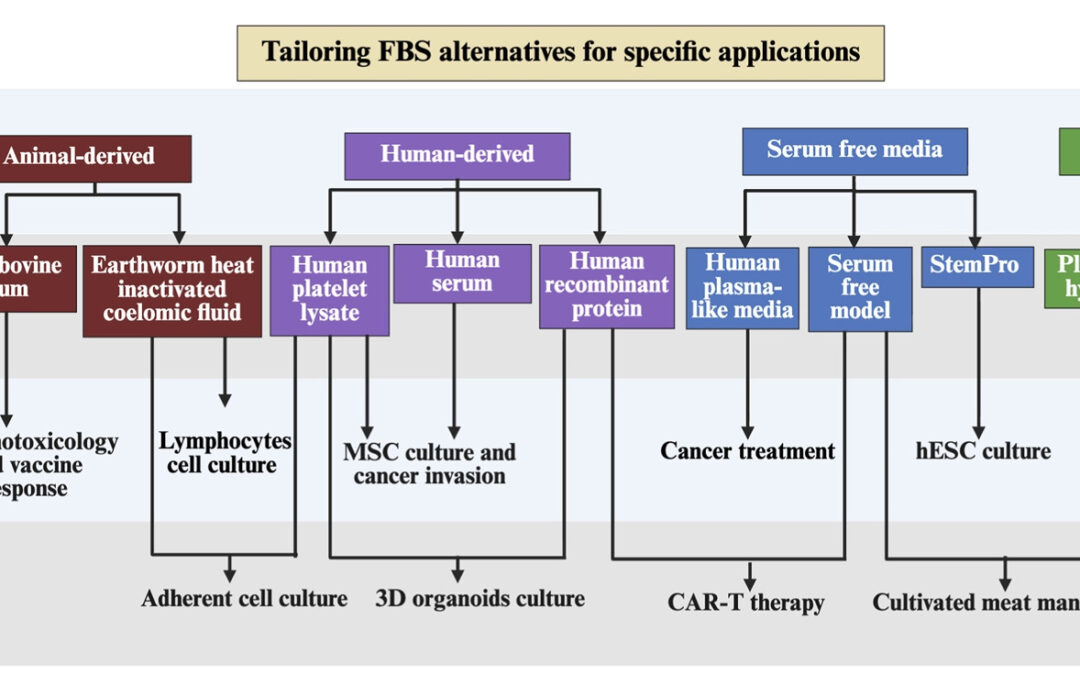
The sustainable transition toward FBS alternatives: Greening cell culture
Blog by Helena (Huiyuan) Meng, third year PhD candidate, School of Biological sciences Trigger warning: This article discusses foetal bovine serum (FBS) sourcing and includes references to animal slaughter and animal welfare impacts. Have you ever stopped to wonder...
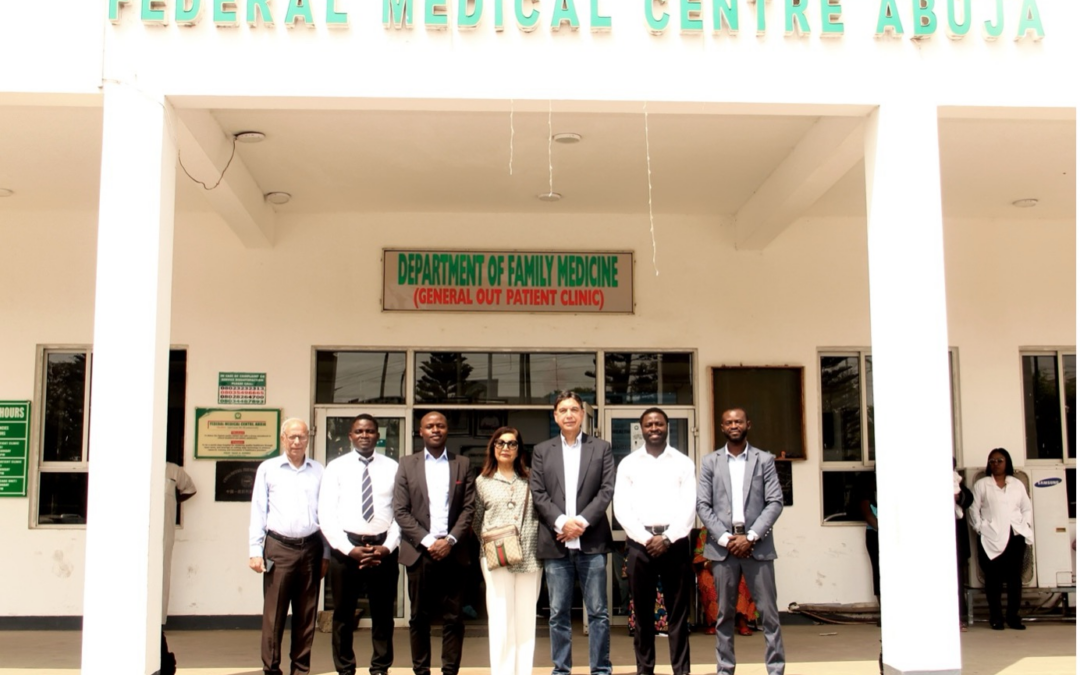
SR Funded Project 2024/25: PPIE on Community-based Rehabilitation in Nigeria
In this blog series, we will be featuring projects that have received funding from the Faculty’s Social Responsibility Funding Call. The fund supports projects and initiatives aligned with the Faculty’s five Social Responsibility (SR) and Civic Engagement priorities:...
PPIE Award Highly Commended 2025: Alternative Cervical Screening (ACES) Diversity project
In this blog series, we celebrate the winners and highly commended recipients of the Faculty’s ‘Outstanding Contribution to PPIE’ awards. These awards showcase inspirational efforts and exceptional commitment to PPIE that have made a positive difference to our...

The RECLAIM project for sustainable healthcare and medical training
Tucked away on the third floor of the Stopford Building is the Manchester Surgical Skills and Simulation Centre (MSSSC), a state-of-the-art surgical theatre that supports training for medical students, resident doctors, and even experienced surgeons. Beyond its nine...
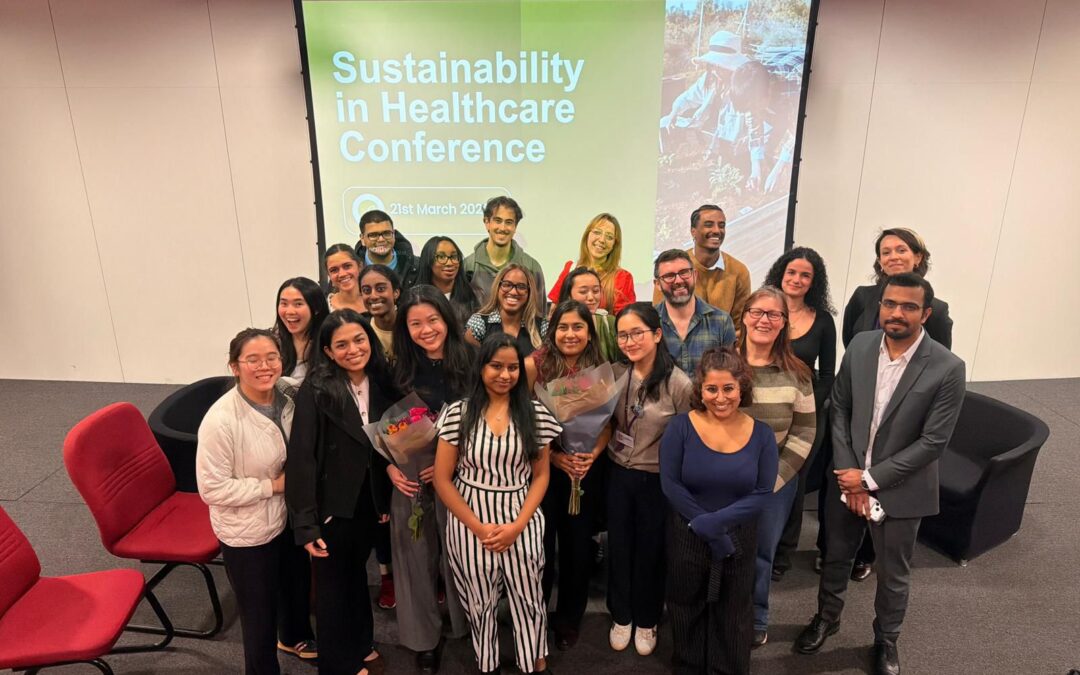
Students reimagine the future of healthcare at the Sustainability in Healthcare Conference
According to the NHS, 4 to 5% of the UK's greenhouse gas emissions can be attributed to the healthcare system. From excessive plastic packaging of medication to drugs used in anesthesia, there are many ways for hospitals, medical practitioners and patients to move...
Supporting sustainability in labs: reflections from LEAF auditors
What is LEAF? The Laboratory Efficiency Assessment Framework (LEAF) is a sustainability programme helping labs reduce their environmental impact without compromising research quality. Labs can earn Bronze, Silver or Gold awards by meeting criteria across areas like...

Patient and Public Involvement and Engagement (PPIE) Forum March 2026 update
The Patient and Public Involvement and Engagement (PPIE) Forum plays an essential role in delivering the Faculty’s PPIE Action Plan and Social Responsibility (SR) Plan. Together, these strategies outline our commitment to driving positive environmental and social...
It’s In Our Nature: Celebrating Wildlife in April 2026
This April, the Social Responsibility Team is exploring how we can appreciate and enjoy biodiversity, wildlife and green spaces, and how it is In Our Nature to do so. From local wildlife to active travel, there are plenty of events and observances this month that...
PPIE Award Winner 2025: JointCare – Identifying research questions with children with juvenile idiopathic arthritis and their parents
In this blog series, we will be featuring our award winners and highly commended recipients from the Faculty’s ‘Outstanding Contribution to PPIE’ awards. The awards showcase inspirational and outstanding commitment to PPIE that has made a positive difference to our...
Making Manchester into a Swift City
Blog written by Rachel Zanetti, final-year Environmental Sustainability Project student. The University has set a target that by 2028, we will have increased the number of bug, bat and bird boxes on campus by 20%. This is listed in the in the University’s ‘Valuing...