
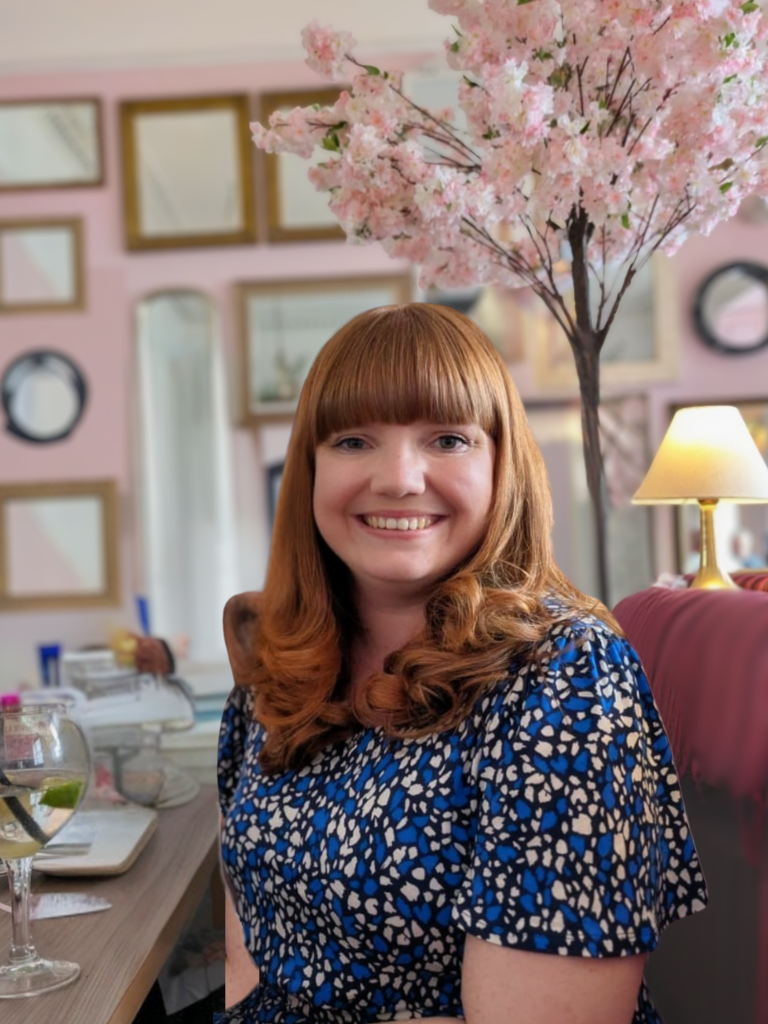
Sally Flint: Disability, Life and Death: Living with ME/CFS and Invisible Condition
When I was diagnosed with Myalgic Encephalomyelitis/Chronic Fatigue Syndrome (ME/CFS) in 2012, my life changed overnight. I went from being a 16-year-old just starting college, making new friends, enjoying my independence, and planning for the future, to being bedridden, unable to go anywhere without help, and feeling a complete sense of loss over my body and mind. Over the years, I have also lived with other conditions that affect me both physically and mentally. Together, these conditions shape my daily reality and often leave me balancing pain, fatigue, and brain fog against my work and personal life.
For me, Disability has meant more than just managing symptoms; it has also meant navigating stigma and misunderstanding. With ME/CFS, people often say, “but you don’t look ill”, as if disability must always be visible to be valid. At times this has made me hesitant to use mobility aids or request adjustments, for fear of being questioned or judged. It highlights how people with hidden conditions can often be left out of the conversation on disability.
Life has been about finding ways to adapt and rebuild. My journey back into work was gradual, starting with volunteering a few hours a week, moving into part-time roles, and finally achieving something I once thought impossible: a full-time role (at UoM) in 2024. This has only been possible with supportive workplaces, healthcare providers, friends, and family, and through strategies such as pacing, fatigue management, and treatment. I’ve also been able to pursue qualifications in leadership and management, and project management, ensuring that my condition does not define the limits of my ambition. Over time, I’ve learned that living with chronic illness isn’t just about surviving symptoms: it’s about reclaiming identity, celebrating progress, and redefining success on my own terms. I’ve found life in the small victories; a good day’s work, shared understanding from a colleague, or simply being able to do something I couldn’t manage a year ago.
But there is also death in disability, not just the fear of dying, but the grief of what illness takes away. When I became unwell, I lost the life I had imagined for myself as a young student. I lost energy, independence, relationships, and years of opportunities. Many disabled people will recognise this sense of grief: the mourning of futures that feel suddenly out of reach. Yet, in that loss, I have also found new ways of living; new communities, resilience, and an appreciation of what support and understanding can unlock. I now enjoy and take pride in talking to others about ME/CFS, sharing my story and bringing awareness about hidden conditions.


Contact Us
+44 (0) 161 306 6000


0 Comments