
The 11th October is National Coming Out Day, a day that celebrates LGBTQ+ visibility and the freedom to live openly as ourselves. As such, it is an important day in the calendar for the LGBTQ+ community.
The 11th October is National Coming Out Day, a day that celebrates LGBTQ+ visibility and the freedom to live openly as ourselves. As such, it is an important day in the calendar for the LGBTQ+ community.
Saturday 1st August 2026 marked Lanarkshire Pride. So why is a small event in a small town noteworthy?
This is its fourth year. The larger, city-based Pride events and marches tend to get the most attention, and they are important, not least because they tend to be the starting place for Pride events in most countries and they have power in through presence. They can, however, feel adrift from the local community.
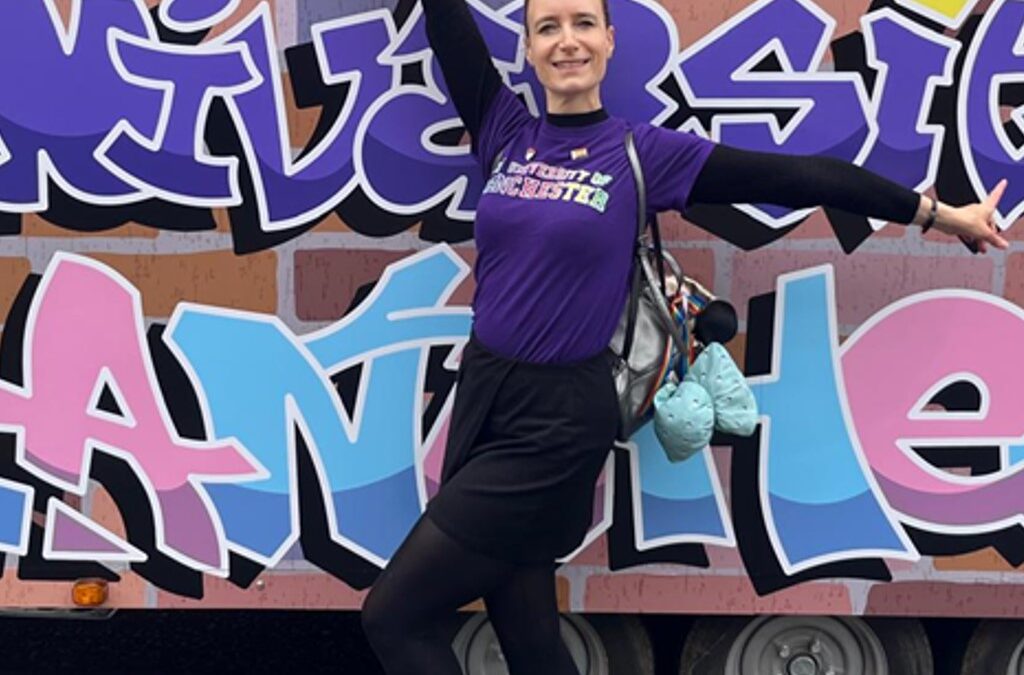
Content warning: This is just a very brief overview. Please note that there are references to violence, Nazi crimes, antisemitism, homophobia, transphobia, misogyny, racism and sex. Some of the terminology and research mentioned are outdated and have only been used within the historic context.
This part provides an overview of the volatility of LGTBQ+ lives throughout Germany’s history.
Content warning: This article contains references to terrorism, hate crimes. homophobia, transphobia, queerphobia, islamophobia and racism.
In light of the Berlin attack – Pride as Protest – A view from Germany. Manchester’s LGTBQ+ community has been getting ready for this year’s August Bank Holiday Pride events. For a while there seems to have been some disagreement between individuals who think Pride is supposed to be primarily a political protest and those who want to purely celebrate queer joy.
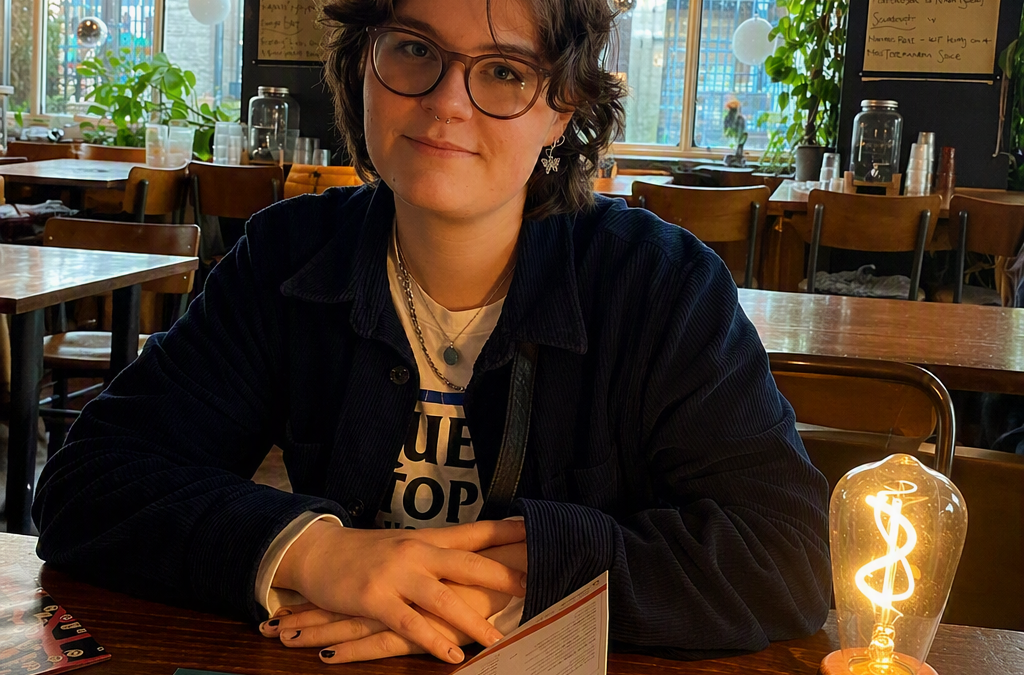
International Non-Binary People’s Day coincides beautifully with my start at a new job – working in the EDI Directorate at The University of Manchester. In the two weeks I have been here, I have had a lot of time to reflect on the profound value of working within an environment that allows you to be yourself fully, without compromise.

Over the past year, I’ve had the opportunity to take part in two development programmes at the University: the LGBTQ+ Leadership Programme, delivered with On the Level, and the EDIA Champions Training, led by Be What You See Consultancy. Both have genuinely transformed how I think about leadership, allyship, and inclusion in everyday practice.
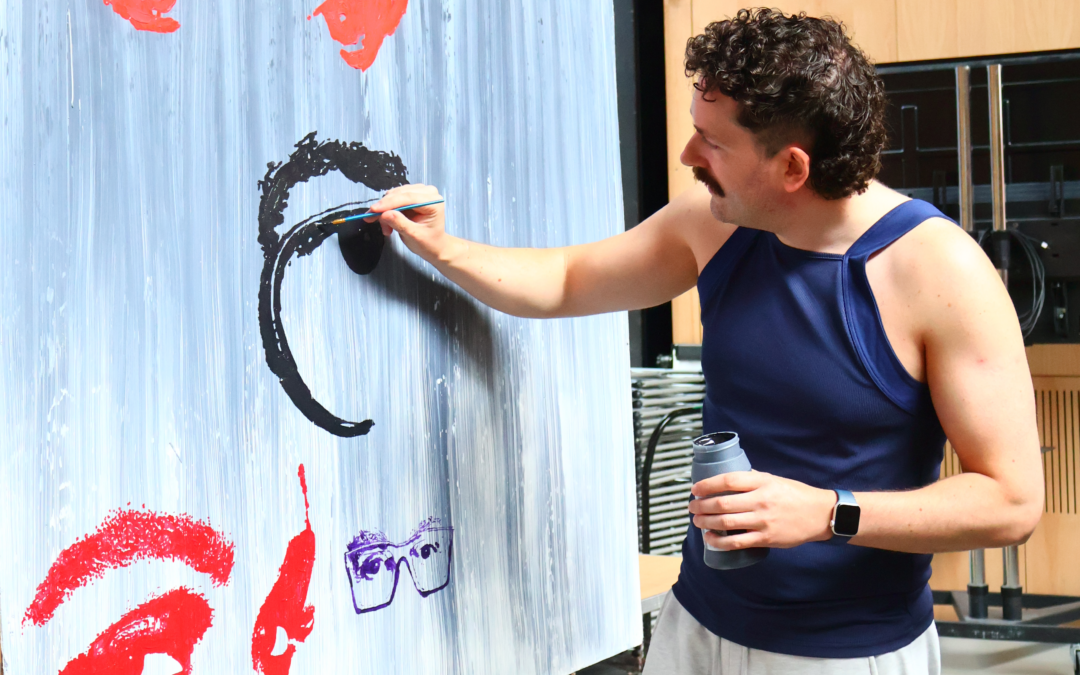
This summer I am exhibiting a new body of work at HOME, created in response to the Queer Up North archive. The exhibition is called To See and Be Seen. It is about memory. About Manchester. About queer lives that refused to disappear. About what happens when fragments of photographs, flyers, stories and protests survive long enough to become history. Some of the works are joyful. Some are defiant. Some ask difficult questions. All of them begin with a simple thought: What does it mean to be seen? There is a preview : 6pm – 8pm on 7th July at HOME at the Granada Studios (the first and second floor of home)
Exhibition runs July–October. I would be delighted to see some of your faces there: https://www.homemcr.org/whats-on/to-see-and-be-seen-by-conor-collins-dnkx
In my previous blog I focussed on the grey-sexual part of my identity. This follow up’s topics refers to the grey-romantic aspect of my identity. I was sure from an early age that I was never going to marry, but, of course, everyone thinks you will change your mind, at least once you have met the “right” person. Every nut has its bolt, hasn’t it? Once grown up, matured, etc. every “normal” person will want to settle down with a spouse and start building their nuclear unit…
The LGBTQ+ community in the UK experiences disproportionately high levels of poor mental health compared with the wider population. Research consistently demonstrates elevated rates of anxiety, depression, self-harm, suicidal ideation, and psychological distress among lesbian, gay, bisexual, transgender and queer individuals. Importantly, these inequalities are not caused by LGBTQ+ identity itself, but by discrimination, stigma, social exclusion and unequal access to support services.
During Trans History Week we recognise, celebrate, and reflect on the long, rich, and often overlooked history of transgender and gender-diverse people. While relatively recent in its formal marking, the spirit behind it emerges from decades of activism, scholarship, and community storytelling.
+44 (0) 161 306 6000


Recent Comments