
This year’s Disability Pride celebrations were united by a simple ambition: to celebrate disabled creativity, amplify disabled voices, and challenge assumptions about disability through culture, community, and inclusive research.
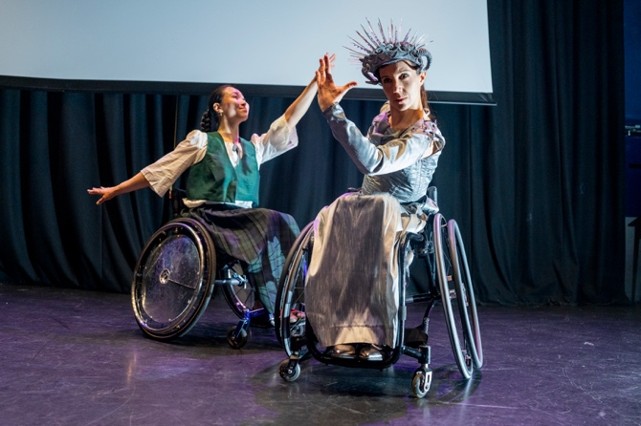
This year’s Disability Pride celebrations were united by a simple ambition: to celebrate disabled creativity, amplify disabled voices, and challenge assumptions about disability through culture, community, and inclusive research.
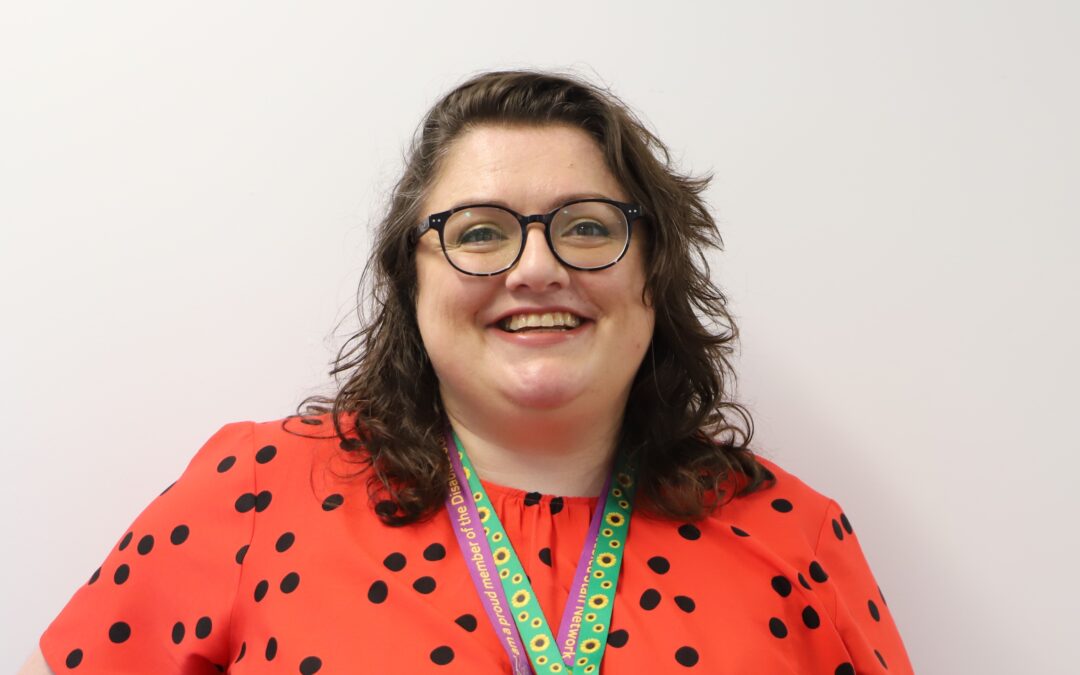
As PS colleagues, we create and share a wide range of digital content such as emails, documents, forms, presentations, webpages, images, and event information. This content shapes our communication and how people access our resources. Digital accessibility isn’t an add-on; it’s integral to our work.
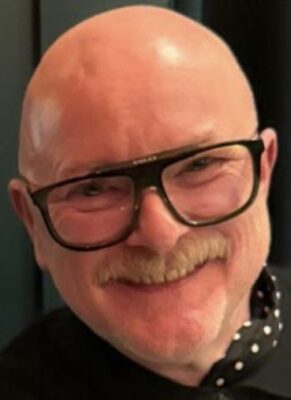
The LGBTQ+ community is, by its very nature, a highly diverse community and it is important that we recognise diversity within diverse communities through intersectionality.
Research over the past decade has increasingly shown a statistically significant overlap and complex intersection between autism and LGBTQ+ identities.
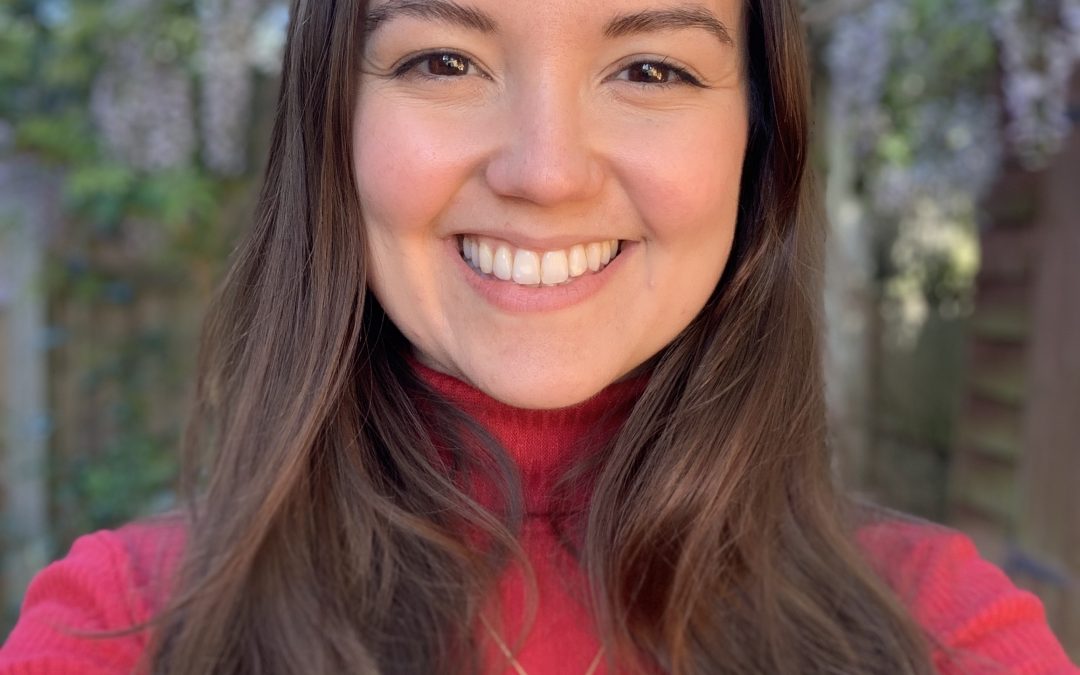
Within higher education literature, constructive alignment theory begins from a simple but transformative premise: meaningful assessment must align directly with intended learning outcomes and prior teaching. Students are not passive recipients of information but active constructors of meaning, and assessments ought to capture that process. Yet neurodiversity complicates assumptions about how students demonstrate learning. An autistic student who thrives in written communication may struggle with oral presentations. A dyslexic student may engage deeply in class discussion yet receive lower marks on traditional written exams. In these cases, the misalignment lies not with the teacher’s instruction or the student’s learning, but with singular assessment design.
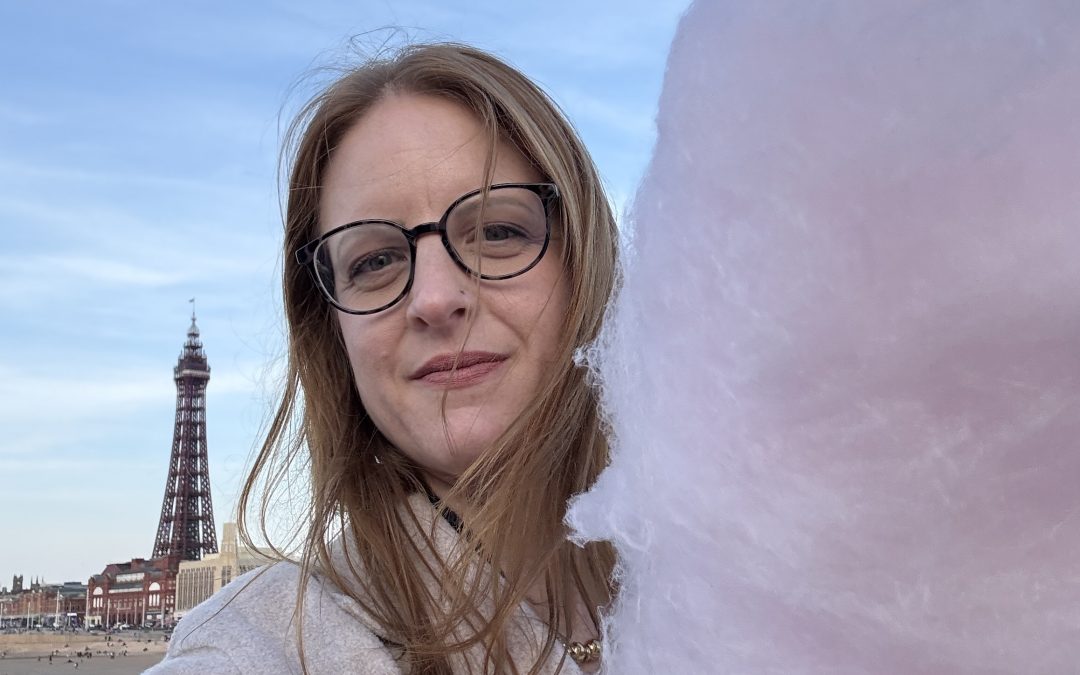
Receiving an ADHD diagnosis later in life brought a deep and enduring sense of validation. It continues to matter because it gives me rationale, language and legitimacy to experiences I still have. For years, I believed that the difficulties I encountered were evidence that I wasn’t trying hard enough or wasn’t good enough. In reality, I was working exceptionally hard — often expending far more effort than my peers — but doing so with a brain that processes time, information and emotion differently.
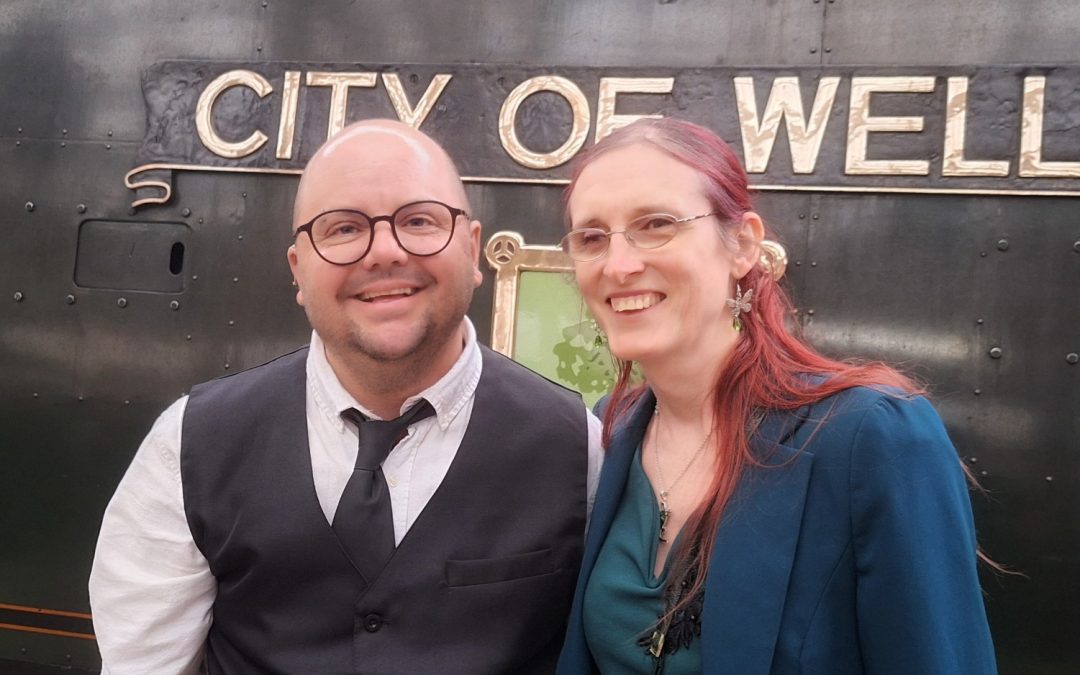
Learning has always felt urgent to me. – In my early twenties, I experienced a significant head injury that left me with lasting cognitive effects. I lost around five years of memories. Entire chapters of my life now exist only in stories told by other people. Since then, memory has never felt guaranteed. I have had to rebuild confidence in my ability to retain, connect and understand.
Curious how small changes in teaching practice can make a big difference for neurodiverse students? This post introduces Universal Design for Learning (UDL) – a proactive, compassionate approach that helps educators create learning environments where every student can thrive. From simple communication tweaks to more accessible classrooms and clearer feedback, UDL shows that designing for neurodiversity ultimately benefits everyone. Dive in to see how inclusive design can transform both teaching and learning.
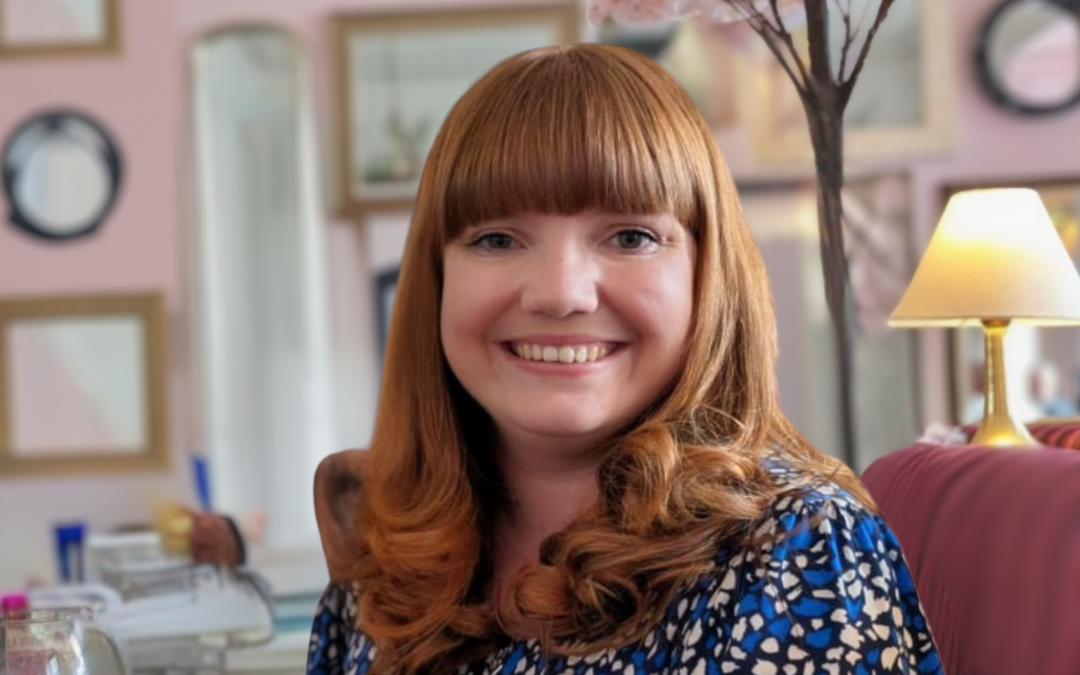
When I was diagnosed with Myalgic Encephalomyelitis/Chronic Fatigue Syndrome (ME/CFS) in 2012, my life changed overnight. I went from being a 16-year-old just starting college, making new friends, enjoying my independence, and planning for the future, to being bedridden, unable to go anywhere without help, and feeling a complete sense of loss over my body and mind. Over the years, I have also lived with other conditions that affect me both physically and mentally. Together, these conditions shape my daily reality and often leave me balancing pain, fatigue, and brain fog against my work and personal life.

What is disability? Ask me at any time of day, and I’ll probably give you any one of a range of answers. Though most will be of the theme “it’s a bloody nuisance, but I’m not letting it stop me”.
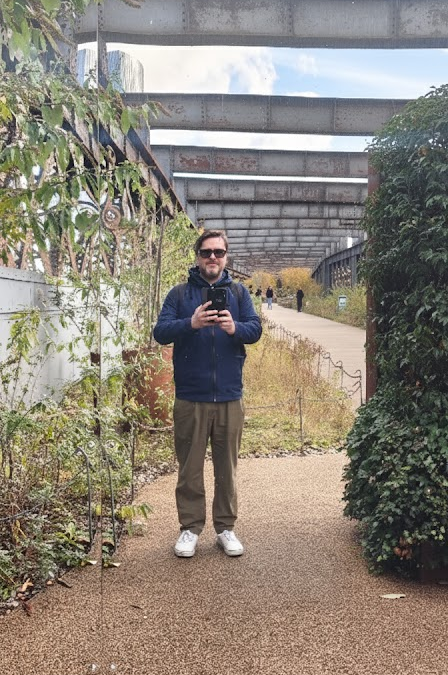
For years, I thrived on minimal sleep. I didn’t rest well, but I kept my overactive mind busy—anything to avoid lying awake creating shapes from shadows or spiralling into anxiety. Socialising was my lifeline. If there wasn’t a plan, I made one. I had to stay busy so I texted friends most days trying to fill every evening.
+44 (0) 161 306 6000


Recent Comments