
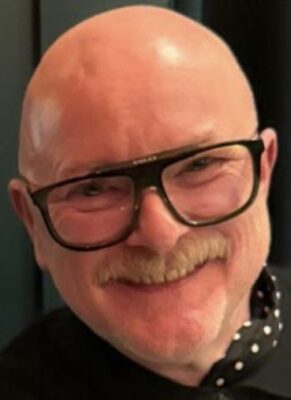
Stephen Doyle: National Coming Out Day
The 11th October is National Coming Out Day, a day that celebrates LGBTQ+ visibility and the freedom to live openly as ourselves. As such, it is an important day in the calendar for the LGBTQ+ community.
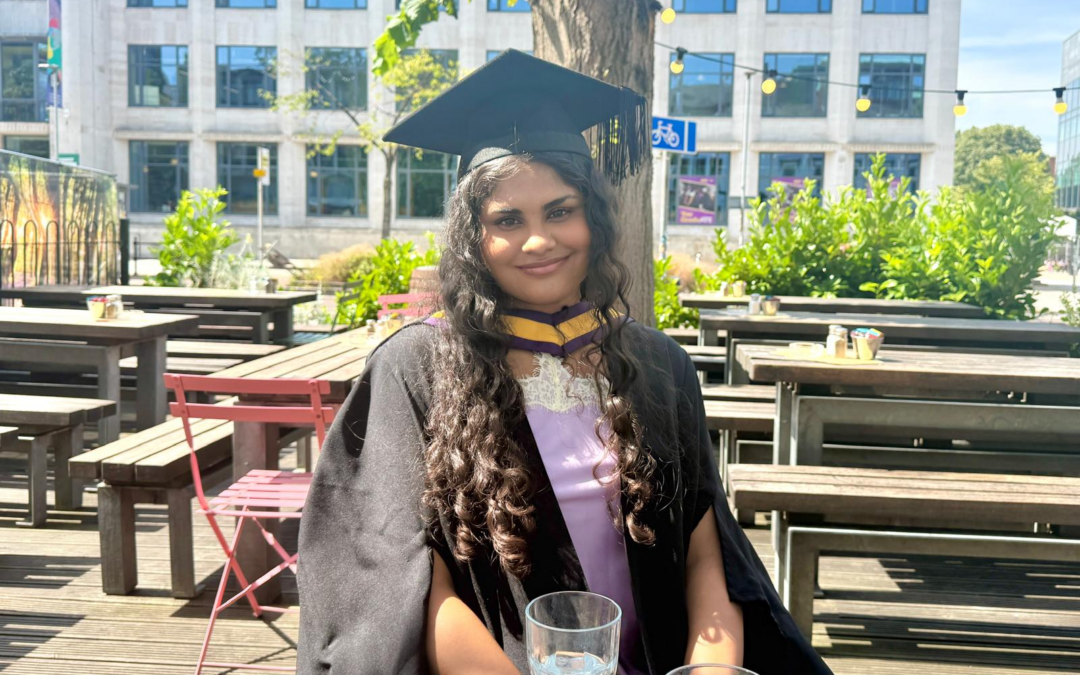
Shruti Baleri: Experience as an international student
Being an international student is difficult. Moving countries for university is usually depicted as being mostly fun: becoming independent, learning loads, and late nights out. But why does no one talk about the not-so-fun stuff? You are constantly plagued with homesickness, culture shock and anxiety about living in a new country.
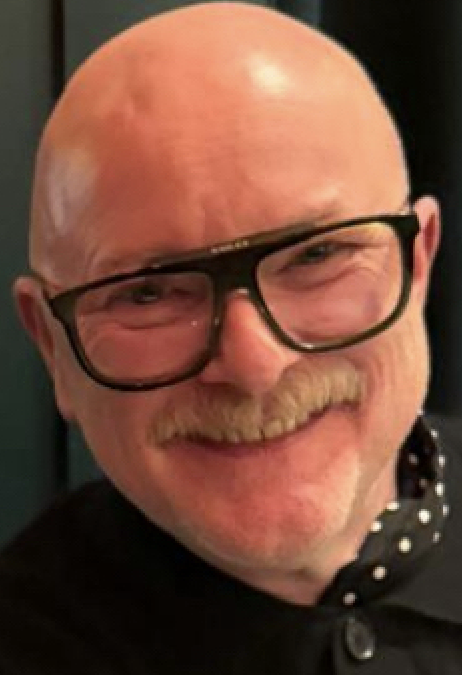
Stephen Doyle: Why Pride Matters to Me
Saturday 1st August 2026 marked Lanarkshire Pride. So why is a small event in a small town noteworthy?
This is its fourth year. The larger, city-based Pride events and marches tend to get the most attention, and they are important, not least because they tend to be the starting place for Pride events in most countries and they have power in through presence. They can, however, feel adrift from the local community.
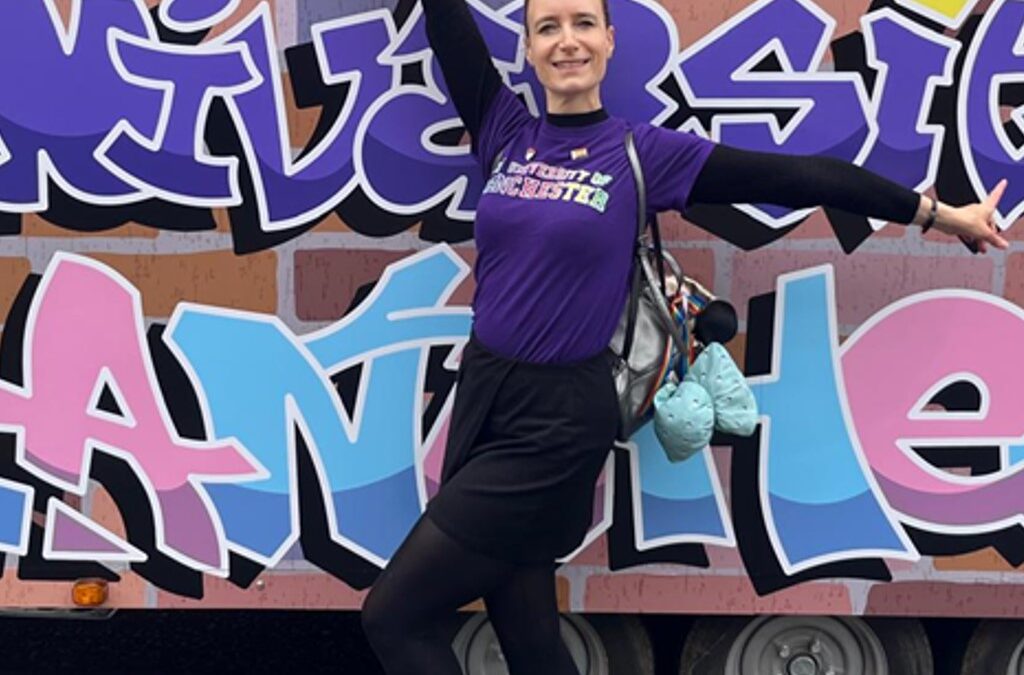
Heike Holubek: The volatility of LGTBQ+ lives throughout Germany’s history (Part 2)
Content warning: This is just a very brief overview. Please note that there are references to violence, Nazi crimes, antisemitism, homophobia, transphobia, misogyny, racism and sex. Some of the terminology and research mentioned are outdated and have only been used within the historic context.
This part provides an overview of the volatility of LGTBQ+ lives throughout Germany’s history.
Heike Holubek: Berlin Pride (Part 1)
Content warning: This article contains references to terrorism, hate crimes. homophobia, transphobia, queerphobia, islamophobia and racism.
In light of the Berlin attack – Pride as Protest – A view from Germany. Manchester’s LGTBQ+ community has been getting ready for this year’s August Bank Holiday Pride events. For a while there seems to have been some disagreement between individuals who think Pride is supposed to be primarily a political protest and those who want to purely celebrate queer joy.
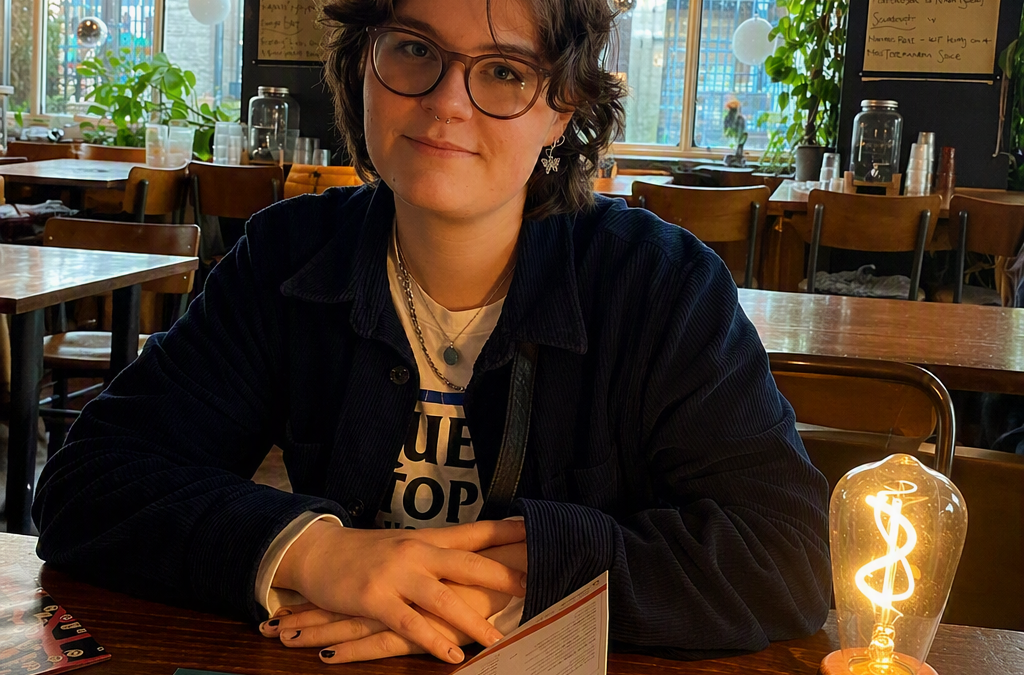
Chris Ward: International Non-Binary People’s Day – The Power of Being Seen
International Non-Binary People’s Day coincides beautifully with my start at a new job – working in the EDI Directorate at The University of Manchester. In the two weeks I have been here, I have had a lot of time to reflect on the profound value of working within an environment that allows you to be yourself fully, without compromise.
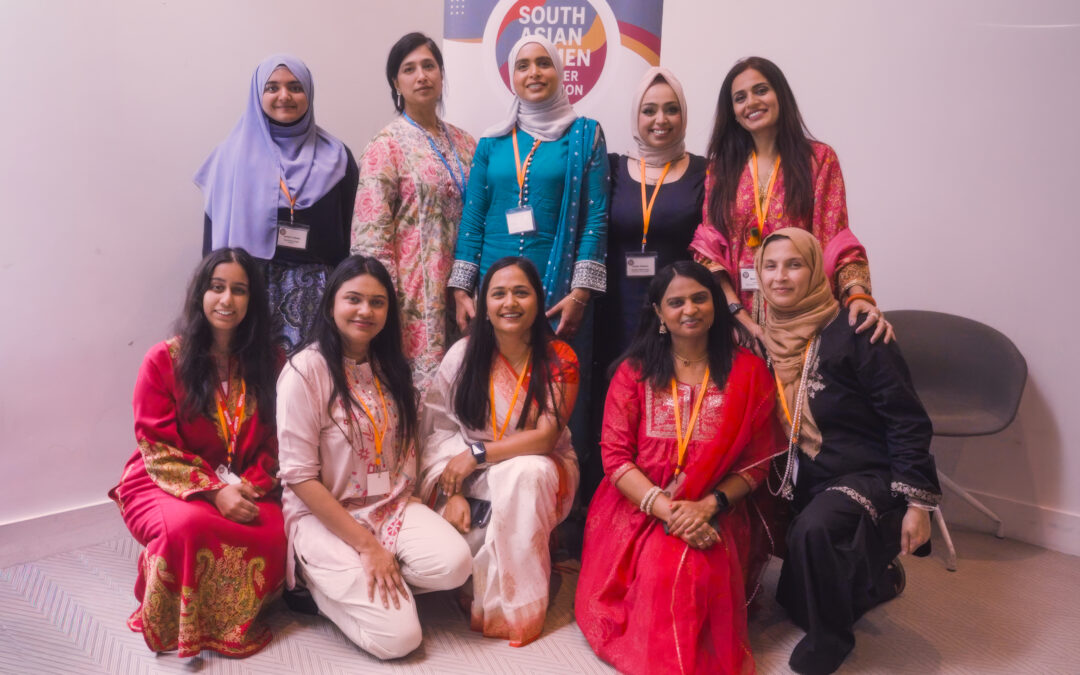
Dr. Jahanara Miah and Dr. Binish Khatoon: From Vision to Community – Reflecting on the Launch of the South Asian Women in Higher Education (SAWHE) Network
There are moments in professional life when certain experiences feel more meaningful and memorable than the usual routine of conferences and networking events. The launch event of the South Asian Women in Higher Education (SAWHE) Network at Manchester Museum on 5th June 2026 was one of those moments. Funded by five teams at UK Universities, including the University of Manchester Social responsibility teams, Manchester metropolitan University, University of Kent, Liverpool John Moores University EDI teams and Global Mental Health and Psychiatry centre, it marked the public launch of an idea that had developed over many months through shared lived experiences, collective effort, determination, and conversations over a cup of chai (tea). It was a privilege to co-host the day, and we write this reflection to capture something we do not want to lose: the feeling of being in that room.
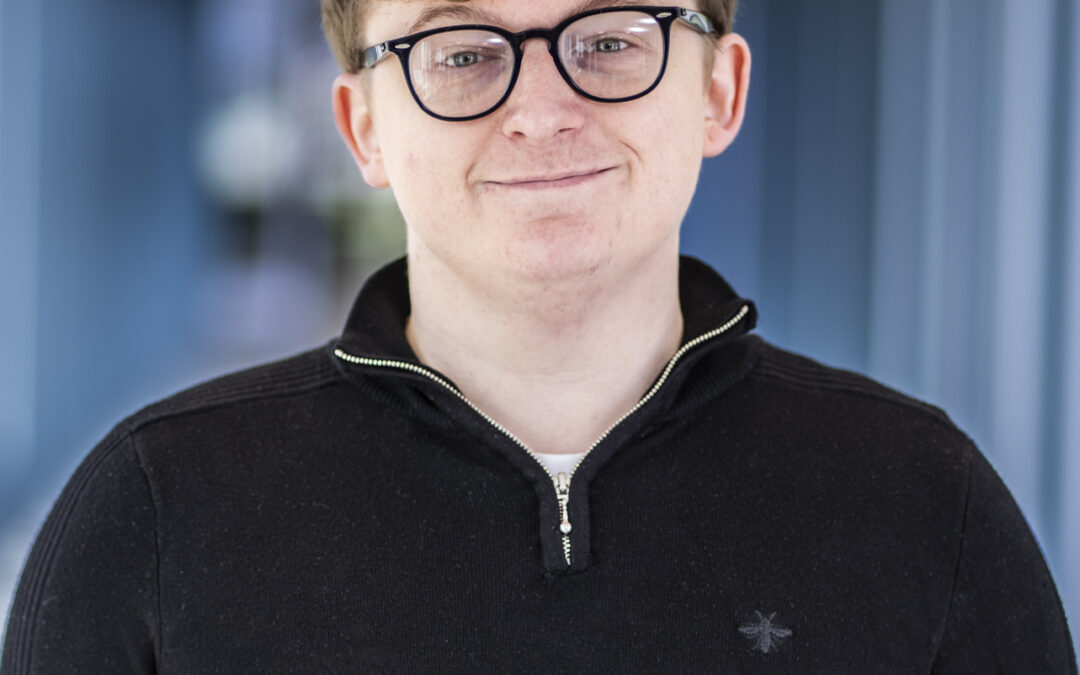
Luke Nield: Reflecting on Inclusive Leadership, Following UoM LGBTQ+ and EDIA Training
Over the past year, I’ve had the opportunity to take part in two development programmes at the University: the LGBTQ+ Leadership Programme, delivered with On the Level, and the EDIA Champions Training, led by Be What You See Consultancy. Both have genuinely transformed how I think about leadership, allyship, and inclusion in everyday practice.
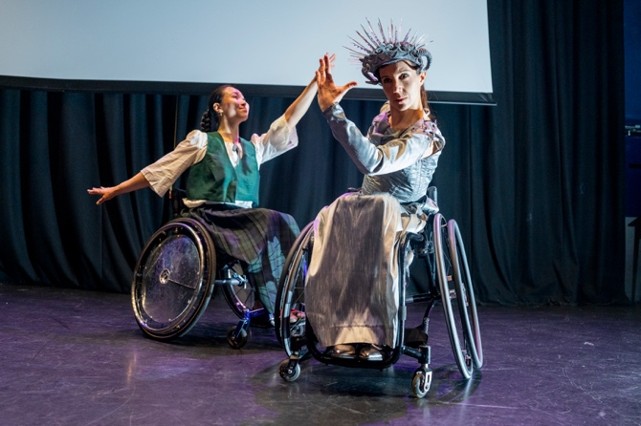
Freddie Jones, Heather Cockayne and Ro Procter: Celebrating Disability Pride – Creativity, Community and Inclusion at the University of Manchester
This year’s Disability Pride celebrations were united by a simple ambition: to celebrate disabled creativity, amplify disabled voices, and challenge assumptions about disability through culture, community, and inclusive research.
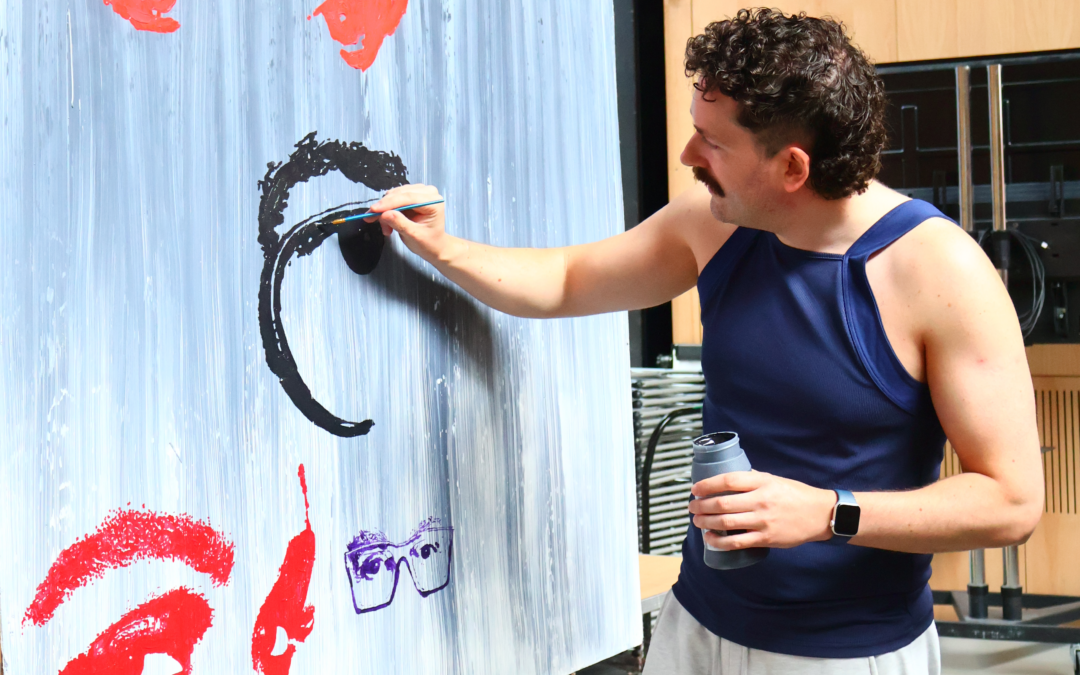
Conor Collins: Queer Up North archive
This summer I am exhibiting a new body of work at HOME, created in response to the Queer Up North archive. The exhibition is called To See and Be Seen. It is about memory. About Manchester. About queer lives that refused to disappear. About what happens when fragments of photographs, flyers, stories and protests survive long enough to become history. Some of the works are joyful. Some are defiant. Some ask difficult questions. All of them begin with a simple thought: What does it mean to be seen? There is a preview : 6pm – 8pm on 7th July at HOME at the Granada Studios (the first and second floor of home)
Exhibition runs July–October. I would be delighted to see some of your faces there: https://www.homemcr.org/whats-on/to-see-and-be-seen-by-conor-collins-dnkx
Contact Us
+44 (0) 161 306 6000


Recent Comments