
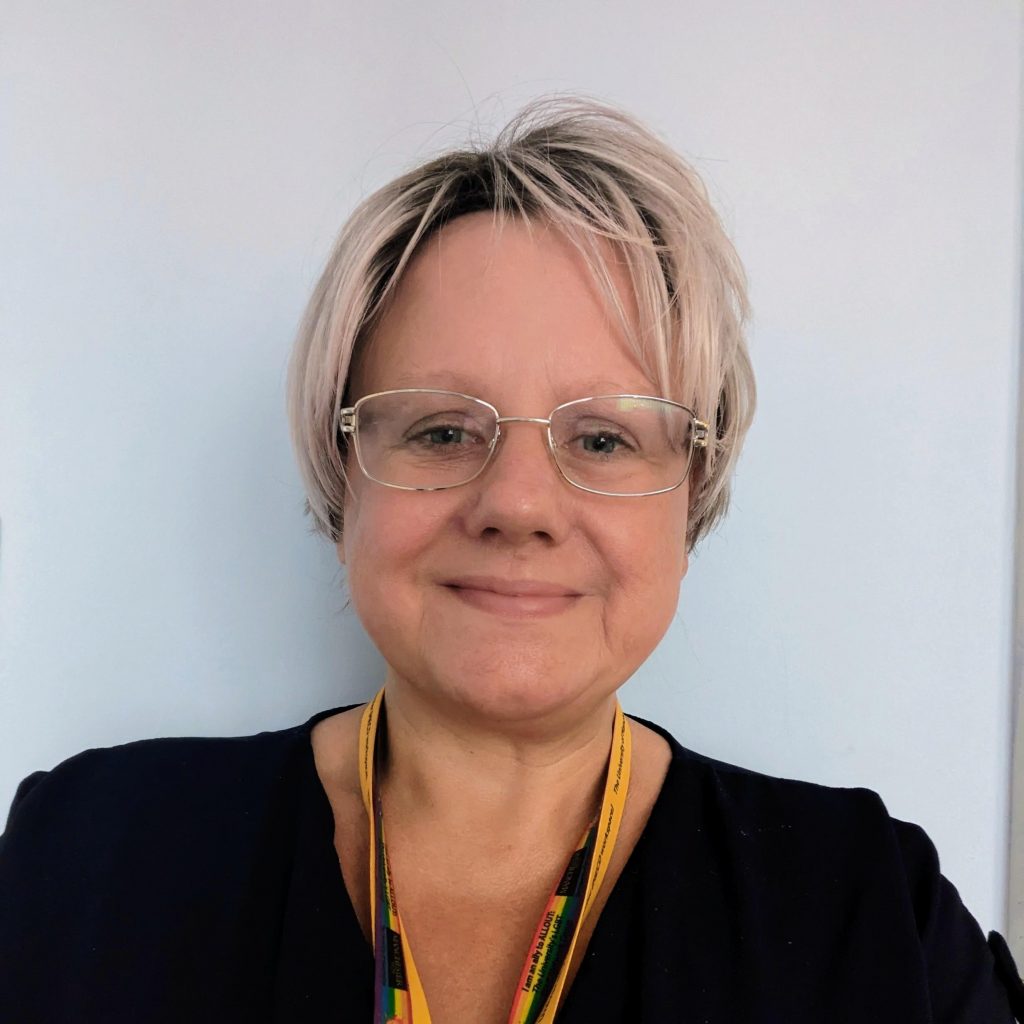
Helen Kreissl: EDI in Practice – How the Thomas Ashton Institute Builds Inclusion Through Everyday Actions
At the Thomas Ashton Institute, our mission is rooted in improving the safety, health and wellbeing of people in work and society. But that commitment extends far beyond our research. It shapes how we work together, the way we create our events and meetings, and the culture we aim to build every day. For us, Equality, Diversity and Inclusion (EDI) is not just a formal strategy — it’s present in the small, thoughtful decisions that collectively make a big difference.
Designing Events With Everyone in Mind
We want our events to be welcoming and accessible to as many people as possible. That means thinking practically about barriers that might prevent someone from attending or engaging fully.
Hybrid delivery has become a core part of our approach. Offering both in‑person and online options ensures those with caring responsibilities, disabilities, health conditions or long commutes are not disadvantaged. It also supports our external partners, many of whom work across different parts of the UK. Hybrid isn’t just convenient — it’s inclusive.
Catering choices are another deliberate step. By providing vegetarian or vegan-only options as standard, we ensure food is accessible for people with diverse dietary needs while reducing the environmental impact of our events. It’s a simple choice that aligns with our values on both sustainability and inclusion.
Rethinking the Rhythm of Meetings
One of the most overlooked aspects of EDI is how organisations manage their time. We’ve consciously shaped meeting patterns to support work–life balance and varied working arrangements.
We avoid scheduling meetings on Mondays and Fridays where possible. This helps colleagues who work part‑time, those with flexible arrangements, and those balancing caring responsibilities. Lunchtimes are similarly protected, recognising the importance of breaks for wellbeing and accessibility.
This approach creates space for people to manage their work in a healthy, sustainable way — which is especially important in a sector where diaries can easily become overloaded.
Every Voice Matters
Inclusion is not just about attendance — it’s about involvement. At the Thomas Ashton Institute, we actively value the perspectives of everyone who contributes to our work: professional services staff, academics, researchers, students, and external partners.
We recognise that each group brings unique insights and experiences that shape our research and our culture. Whether someone is supporting a project behind the scenes, leading a study, organising an event, or contributing specialist knowledge, their voice matters. We aim to create environments — in meetings, workshops and daily interactions — where people feel confident sharing their ideas and know they will be listened to.
Fostering an Open, Supportive Culture
Inclusion is built on communication. We encourage open conversations about what people need to participate fully, whether that’s accessible meeting materials, flexibility around deadlines, or clarity about workloads. We aim to create an environment where colleagues feel able to speak up without hesitation.
It is often said that EDI is made real not through grand statements but through everyday actions. At the Thomas Ashton Institute, we believe that rings true. Our focus on inclusive events, sustainable catering, hybrid access, thoughtful meeting scheduling and honest communication reflects our commitment to making sure everyone can contribute and thrive.
These may seem like small things — but together they help create a workplace where people feel respected, supported and valued. And when people feel included, innovation and collaboration thrive.
By Helen Kreissl – Senior Administrator, Thomas Ashton Institute


Contact Us
+44 (0) 161 306 6000


0 Comments