
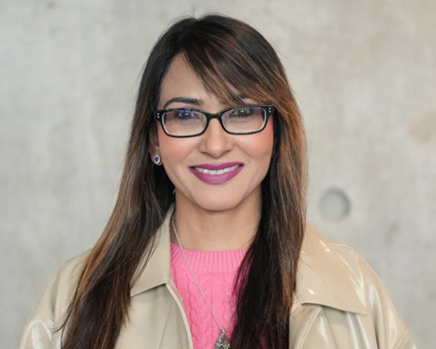
Dr Roshila Moodley: Small Steps, Structural Shifts – How Chemistry is Re-engineering EDIA from the Inside Out
In conversations about Equality, Diversity, Inclusion and Accessibility (EDIA), we often talk about bold strategies and ambitious plans. Yet real cultural change in academic departments usually starts with a single, small act — one that may seem inconsequential to many, but means everything to those who finally feel recognised. Over time, these small acts accumulate into something far more powerful: a transformation.
Within the Department of Chemistry, our EDIA teams (Chemistry and MIB) made an early and intentional choice to focus on process rather than performance. We asked a simple but powerful question. What are the everyday structures that shape who is seen, who is heard, and who is valued? We then began to modulate those structures, one by one.
One of our first interventions was deceptively simple: the screens in the concourse. Previously, they were used largely to showcase research groups. We advocated for them to become more inclusive – a platform that reflects the full ecosystem of the department. Visibility is not trivial. Who appears on those screens sends a clear message about whose contributions matter. That small shift began to change the emotional tone of our shared spaces, quietly strengthening morale, belonging and mutual respect.
From there, we turned to a much more entrenched issue: representation in senior leadership. Chemistry, like many STEM disciplines, has historically struggled with underrepresentation at the highest levels. Rather than simply calling for diversity, we made the case for gender balance and championed the creation of leadership succession pathways. Today, our Senior Leadership Team is more representative, and the impact is tangible. Decision-making is richer, perspectives are broader, and the department benefits from voices that were previously unheard.
Alongside these structural changes, EDIA teams have been relentless in building momentum through activity and engagement. Members have proactively sought external funding to ensure that EDIA is not an unfunded aspiration but a resourced priority. We’ve secured Royal Society of Chemistry funding for two major initiatives: Chemistry Speaks, designed to amplify the voices and experiences of underrepresented groups, and Bonds that Matter, which supports early-career researchers in building networks, confidence and visibility. These projects sit alongside our flagship events, such as International Women’s Day and social responsibility programmes, which continue to bring the community together around shared values.
What has emerged from this steady, thoughtful work is a more collegial and welcoming chemistry environment. People are seen. They feel represented. They belong. This is what EDIA looks like when it is not performative or an add-on, but a long-term commitment to reshaping the structures that govern academic life. Chemistry EDIA deserves recognition not only for what they have achieved, but for how they have achieved it: through care, persistence, and a deep belief that small steps, taken consistently, can create major and lasting change.
By Dr Roshila Moodley – EDIA Lead Chemistry


Contact Us
+44 (0) 161 306 6000


0 Comments