
Islam and phobia are two words that placed together, have never made sense to me. Being Muslim, is a fundamental part of who I am. It is what influences my humanity, my choices, my joy and my hope and faith.

Islam and phobia are two words that placed together, have never made sense to me. Being Muslim, is a fundamental part of who I am. It is what influences my humanity, my choices, my joy and my hope and faith.
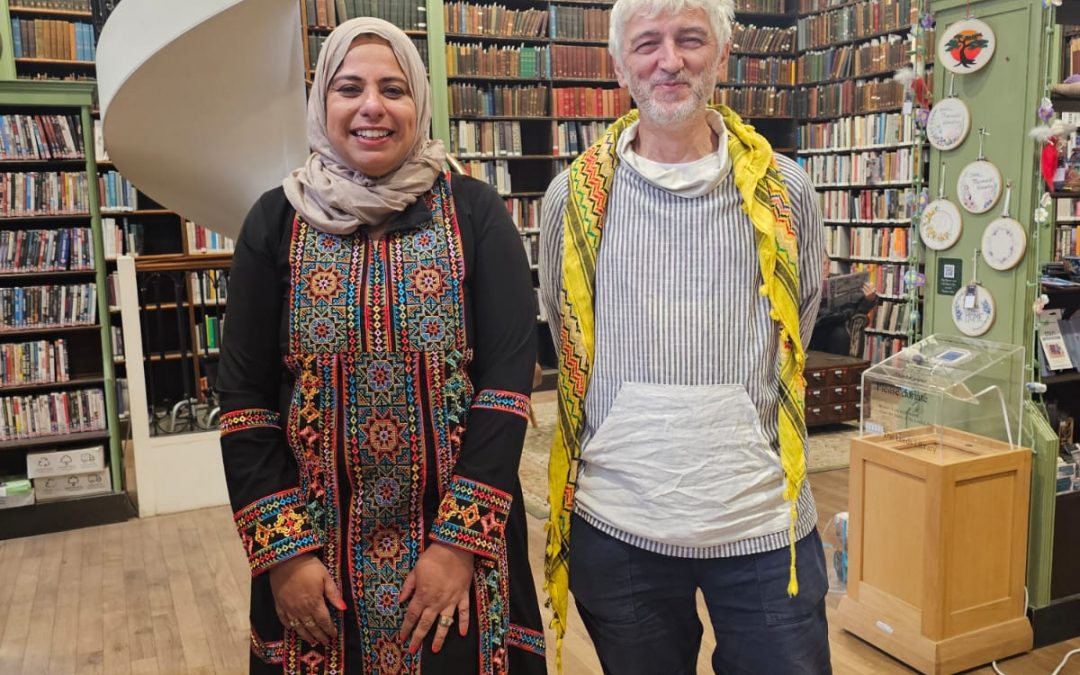
The International Day to Combat Islamophobia marks the Christchurch mosque attacks in 2019 when a white supremacist murdered 51 Muslims and injured many more, reminding us of the rise of global Islamophobia.
Have you ever noticed something—a comment, a glance, or an action—that left you unsettled? Maybe it wasn’t overtly wrong, and if you told someone else, they might not understand why it bothered you. Even so, you felt it—that discomfort in your gut, telling you something wasn’t quite right. This is where being an Active Bystander matters.
‘There are two kinds of evil people in this world. Those who do evil stuff, and those who see evil stuff being done and don’t try to stop it.’ This is what social outcast Janis Ian tells previously home-schooled Cady Heron to convince her to participate in a revenge plot against queen bee Regina George in the 2004 teen comedy Mean Girls. Whilst disagreeing with the practice of evil promoted by Janis in the film (!), this blog agrees that letting something bad happen is, itself, a form of harm, and so promotes the practice of active bystanding.
Over a decade ago, I signed up to become a Harassment Support Advisor. We’re there when someone uses the Report & Support system, to offer an ear and signpost useful procedures and systems, all without judgement and in a completely confidential setting. Over the years I’ve attended a myriad of courses. One of the courses I attended that I always come back to, that I’ve found one of the most useful to recommend to those I meet with, is Active Bystander Training.
This month in the EDI Diversity Calendar is focused on Active Bystander. At The University of Manchester, we want to encourage an environment of inclusion where everyone feels valued and respected and can work and study in a safe and supportive environment. Part of this is to encourage staff and students to challenge and report problematic behaviour such as microaggressions, discrimination, bullying and harassment and hate crime.
+44 (0) 161 306 6000


Recent Comments