
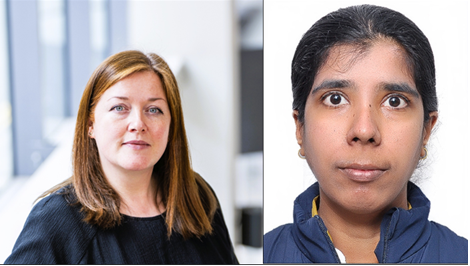
Dr Antoinette McKane & Dr Swati Sharma: The Hidden Wellbeing Crisis in Research
Behind the pursuit of discovery, many researchers are quietly struggling with wellbeing challenges shaped by academic structures, workplace culture, and personal pressures. This blog post explores three key challenges and prompts reflection on researcher wellbeing as a shared institutional responsibility.
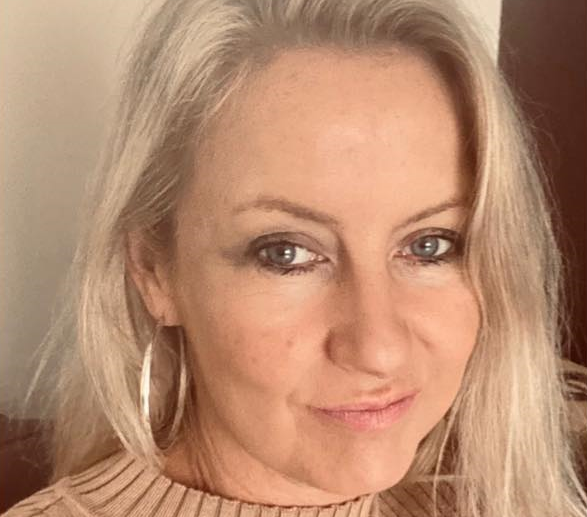
Melanie Price: Wellbeing in June
Wellbeing is a term we hear frequently, and with good reason. It encompasses our physical, social and mental health, and it is encouraging to see how much progress has been made in recognising its importance. Not long ago, many people felt they simply had to “get on with it,” regardless of how challenging life became. 1 in 6 people of employable age experience mental health problems, with 50% of work days lost due to mental health illness.
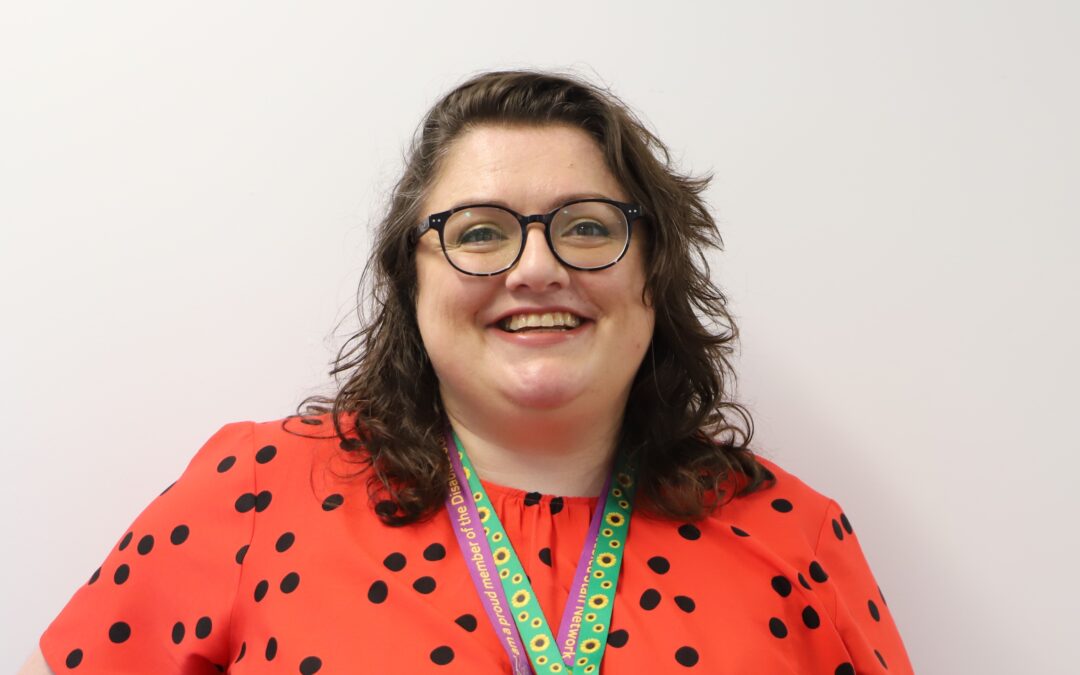
Rachel Heyes: Digital Accessibility for Professional Services (PS) Colleagues
As PS colleagues, we create and share a wide range of digital content such as emails, documents, forms, presentations, webpages, images, and event information. This content shapes our communication and how people access our resources. Digital accessibility isn’t an add-on; it’s integral to our work.
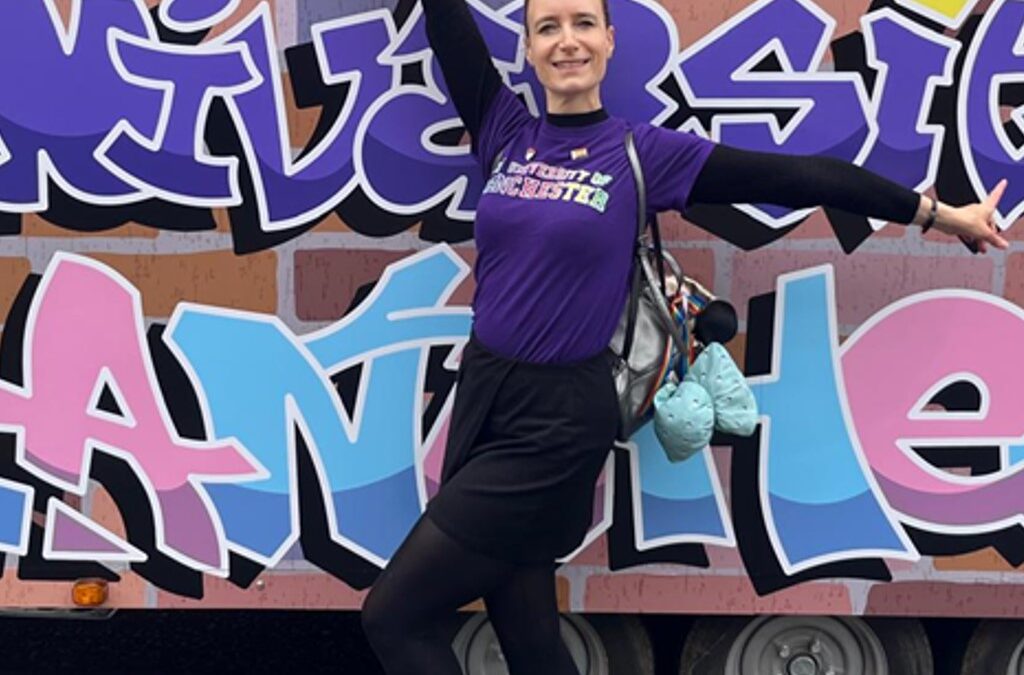
Heike Holubek: Aromantic Visibility Day 05 June 2026 – Challenges of living in an amato-normative society
In my previous blog I focussed on the grey-sexual part of my identity. This follow up’s topics refers to the grey-romantic aspect of my identity. I was sure from an early age that I was never going to marry, but, of course, everyone thinks you will change your mind, at least once you have met the “right” person. Every nut has its bolt, hasn’t it? Once grown up, matured, etc. every “normal” person will want to settle down with a spouse and start building their nuclear unit…
Aisha Akram and Stephen Doyle: Mental Health Awareness Week (11th – 17th May)
The LGBTQ+ community in the UK experiences disproportionately high levels of poor mental health compared with the wider population. Research consistently demonstrates elevated rates of anxiety, depression, self-harm, suicidal ideation, and psychological distress among lesbian, gay, bisexual, transgender and queer individuals. Importantly, these inequalities are not caused by LGBTQ+ identity itself, but by discrimination, stigma, social exclusion and unequal access to support services.
Andy Porter: Colleague Wellbeing – Men’s Mental Health and Emotional Vocabularies
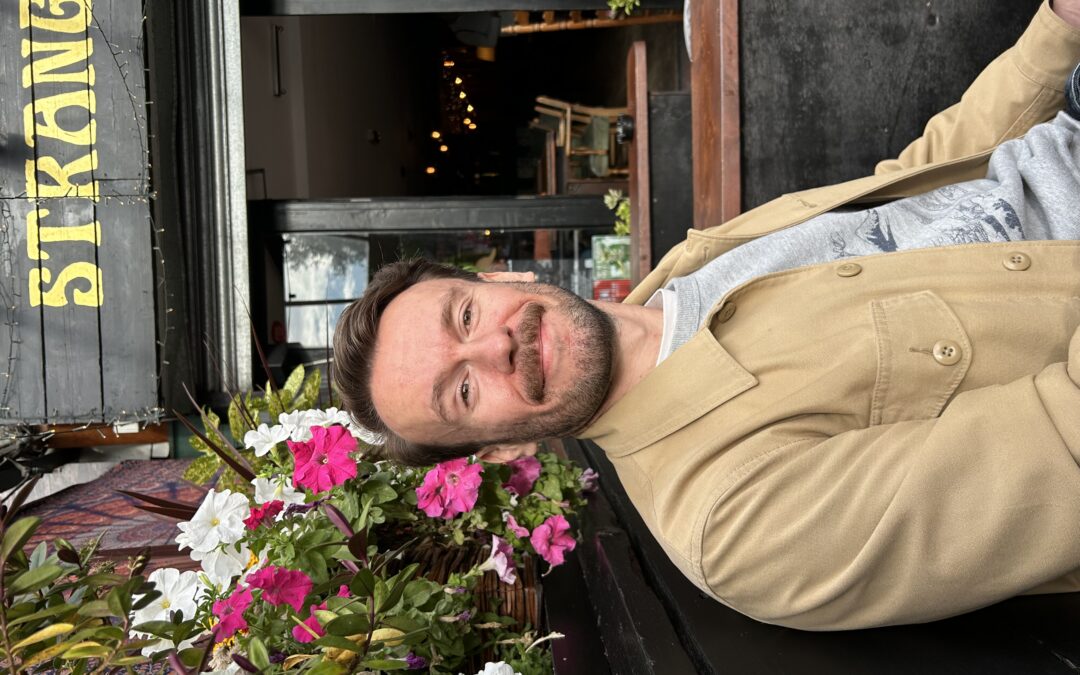
Following a tragic event in 2025, I took several months away from work to look after my own wellbeing. As anyone who’s ever had to go to the GP and opening up can attest, it felt like a monumentally difficult thing to do. In hindsight, the decision was obviously the correct one and I benefitted from this time in many ways, yet I spent so much time and energy worrying about whether I should take the leap and advocate for myself that it made some of the more significant, immediate, emotions even worse. This worry can be so huge for many of us that often, we simply don’t do take the leap.
The Feast of Pentecost
The feast of Pentecost recalls the day when the Holy Spirit descended upon the followers of Jesus. It is celebrated by Christians fifty days after Easter as a reminder of the active presence of God in our lives, guiding, strengthening and consoling us in the...

Bharti Gupta: Staff Network Day – Representation, Connection and Shared Purpose
It was a real privilege to represent three University of Manchester staff networks at Staff Network Day – Women@Manchester, as a core committee member; the Dharmic Cultures Network, as a core committee member; and the Vegan+ Staff Network, as co-chair. The day was a lovely reminder of how powerful our staff networks are in bringing colleagues together from across different parts of the University. I had some brilliant conversations with colleagues who were keen to learn more about the networks, share their own experiences, and understand how they, their families, friends or colleagues could connect with the work we do.
Faith in times of doubt: questions as part of the journey
Doubt often feels uncomfortable, but it is also part of faith. To question is to seek understanding, and God meets us in that search. Mark 9:24 records a man’s honest prayer: “I do believe; help me overcome my unbelief!” This tension between faith and doubt is part of...
Stephen Doyle: Trans History Week (4th – 10th May)
During Trans History Week we recognise, celebrate, and reflect on the long, rich, and often overlooked history of transgender and gender-diverse people. While relatively recent in its formal marking, the spirit behind it emerges from decades of activism, scholarship, and community storytelling.
Contact Us
+44 (0) 161 306 6000


Recent Comments