
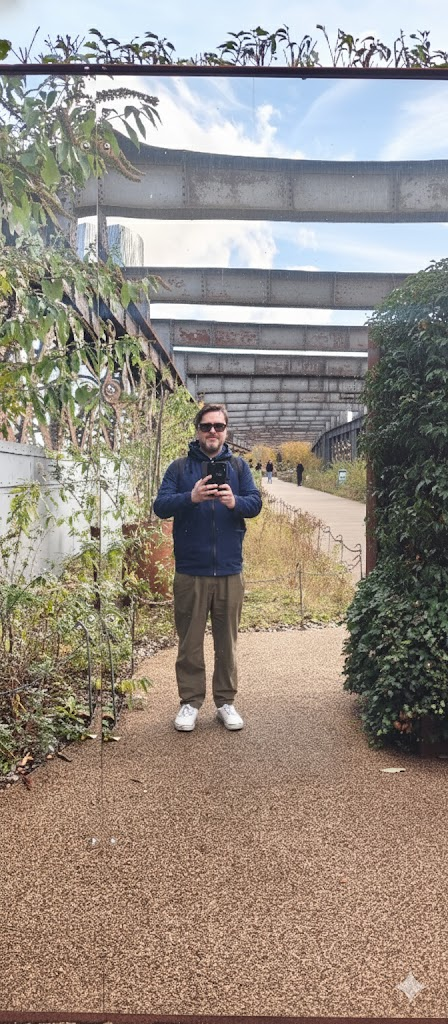
Matthew Harrison: Ageing with Autism – My Journey
For years, I thrived on minimal sleep. I didn’t rest well, but I kept my overactive mind busy—anything to avoid lying awake creating shapes from shadows or spiralling into anxiety. Socialising was my lifeline. If there wasn’t a plan, I made one. I had to stay busy so I texted friends most days trying to fill every evening.
Things began to change in my mid-thirties. My once sharp memory faltered, and concentrating—even on simple tasks—became difficult. Odd bouts of illness struck: brief, flu-like episodes that flattened me for 48 hours before vanishing. I didn’t understand what was happening, so I pushed harder, trying new techniques to keep up the pace.
At 44, I finally received an autism diagnosis. Only then did I grasp how much my brain had been doing all along: navigating sensory overload, decoding human interaction, and constantly calculating the “right” neurotypical response. Imagine putting jet fuel in a regular car and then driving it at top speed for years. That’s effectively what I was doing and if we move to a health-insurance system like some politicians want us to, I’d be a write-off.
I sleep better, yet I’m always tired. Rest doesn’t restore me. My memory is poor, and processing information feels impossible. Socialising is rare; when it happens, recovery can take days. Despite doing less and protecting my energy, I haven’t regained the executive function I’ve lost. Retirement is decades away, and I don’t want to wish my life away.
As awareness of neurodivergence grows, diagnoses increase—and some people, including politicians, question this trend. The real issue isn’t overdiagnosis; it’s sustainability. Supporting autistic people to live in ways that protect their health and energy is not just sensible—it’s essential.
Matthew Harrison – Co-Chair of the Neurodivergent Network


Contact Us
+44 (0) 161 306 6000


0 Comments