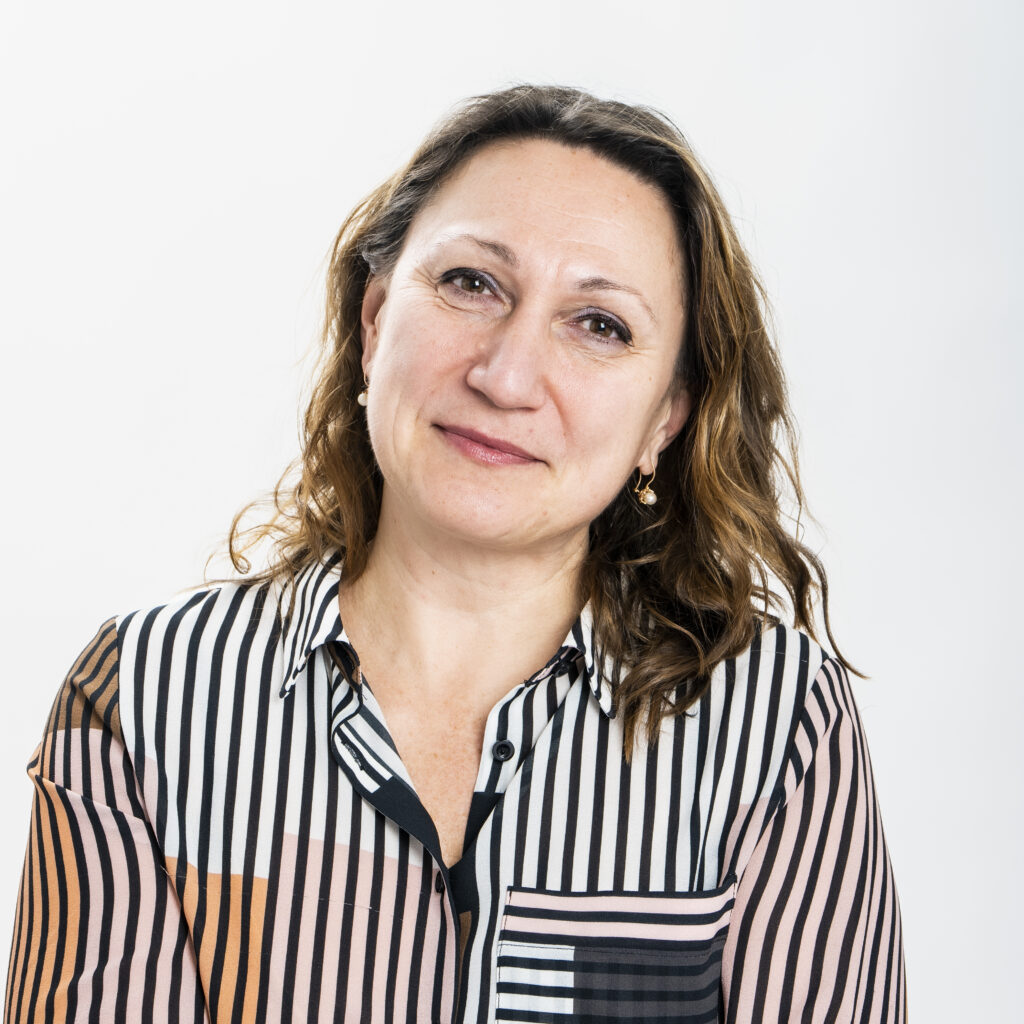
Dr Vitalia Kinakh: Embedding Sustainability and Inclusivity in Dental Education
At the Division of Dentistry, we are committed to shaping the next generation of dental professionals who not only provide excellent clinical care but also consider the broader impact of their decisions on communities and the planet. Social responsibility, inclusivity and environmental sustainability are central to our dental curriculum, because every clinical choice – from materials used to treatment planning – can have implications beyond the immediate patient. For example, selecting certain restorative materials or prescribing patterns can influence clinical waste, number of visits and carbon footprint associated with patient travel.
Education around oral health disparities is another cornerstone of our programme. Dental students learn how socioeconomic factors, geographic location, and systemic barriers affect access to care and shape oral health outcomes. We emphasise that addressing these disparities is not only a matter of clinical competence but also of social responsibility. More importantly, we empower them to address these inequities through sustainable solutions, e.g. preventive programmes, community engagement initiatives.
31.6% of 5-year-old children in Manchester had experience of dental decay, which is significantly worse than the England average of 23.7% (National Dental Epidemiology Programme for England, 2025). Thus, our students implement engaging oral health sessions in primary schools across Greater Manchester, especially those in socially deprived areas to help reduce health inequalities. Students also carry out health promotion campaigns in antenatal for mums-to-be as pregnant women face significant oral health inequalities, with nearly 50% reporting deteriorating oral health and less than 40% visiting a dentist during pregnancy (BDA, 2024). Outreach initiatives target local community groups, e.g. Tamil community. By educating a particular local community about oral hygiene and preventive measures, student help reduce the long-term demand for extensive dental procedures. Fostering healthier communities through preventive measures leads to more sustainable and cost-effective dental care practices. Students report increased cultural diversity, confidence building, improved communication skills.
Here are some of our current initiatives:
- Planetary Health Report Card (Dentistry) project
- SCRUB (Super Cool Recycling of Uniforms into Bags) – dental students repurpose dental gowns into reusable bags. These bags are then filled with oral health items and distributed as part of dental outreach projects.
- HIPPOH (Helping Infants and Parents Protect their Oral Health) – dental students providing oral health advice in antenatal clinics, promoting early prevention
- DiPs (Dentists in Primary Schools) continues to engage young children through interactive sessions, addressing oral health inequalities and hopefully reducing dental anxiety.
- First Language Project connects multilingual dental students with diverse communities to provide oral health education in native languages.
- The EDI OMED Atlas project on decolonising the curriculum has progressed to the development of a digital resource that features clinical photos of various oral medicine lesions in patients with diverse skin colours and ethnic backgrounds.
- Oral Hygiene Outreach at Shelters for Survivors of Domestic Violence, was launched by the newly formed student society, Women in Dentistry Society. This project aims to support survivors through trauma-informed oral health education and care.
Ultimately, our goal is to equip future dentists with the knowledge and skills to provide care that is effective, equitable, and eco-friendly. By embedding sustainability and the principles of equity, diversity, inclusion in dental education, we inspire students to make decisions that benefit patients, communities, and the environment alike.
Dr Vitalia Kinakh,Senior Lecturer – Lead for Social Responsibility, Environmental Sustainability and EDI in Dentistry


Contact Us
+44 (0) 161 306 6000


0 Comments