Freddie Jones, Heather Cockayne and Ro Procter: Celebrating Disability Pride – Creativity, Community and Inclusion at the University of Manchester
This year’s Disability Pride celebrations were united by a simple ambition: to celebrate disabled creativity, amplify disabled voices, and challenge assumptions about disability through culture, community, and inclusive research.
July is Disability Pride Month, and this is an opportunity to celebrate the achievements, culture, and contributions of disabled people while recognising disability as a valued and natural part of human diversity. For members of the Disabled Staff Network (DSN), it is also a chance to challenge the societal barriers and dedicate time to recognising the achievements, culture, and contributions of disabled individuals at the University.
This year’s celebrations were a community‑centred celebration of disability. Our events brought together staff, students and the wider community through performance, creativity, and inclusive engagement, highlighting the richness of disabled experiences while creating space for joy, visibility, and collective pride. The events included the Propel Dance Group performance and workshop, the Disability Pride Photo Competition, and the Networks contribution to the Universally Manchester Festival.
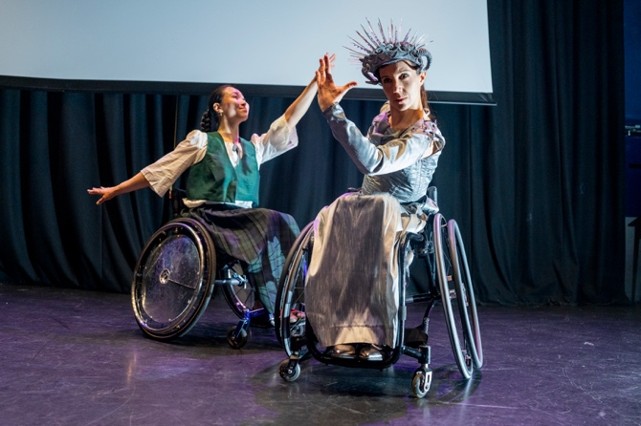
The involvement of Propel Dance, the UK’s first (and only) professional wheelchair dance company, was an amazing highlight. Their performance offered a powerful expression of disabled artistry, embodiment, and movement, challenging conventional assumptions about who dance is “for” and what dance can look like. Their presence created an atmosphere of celebration and empowerment, drawing students and staff into a shared experience of creativity and pride. The performance was followed by an accessible dance workshop that allowed people to “think about…ableist assumptions” but also opened up conversations about accessible arts, representation, and the importance of supporting disabled‑led cultural work.
Image 1: Propel Dance
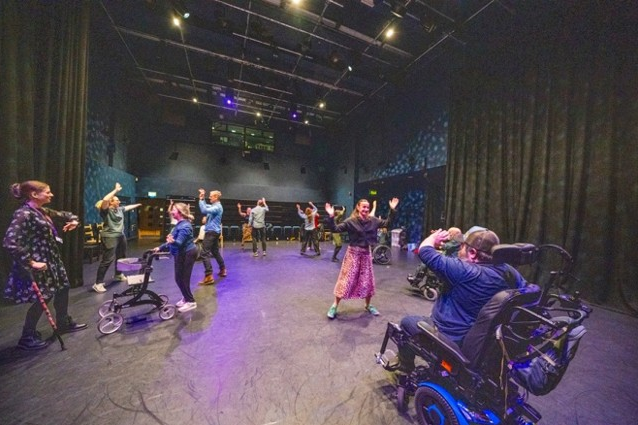
Image 2: dance workshop participants
In focus, our Disability Pride Photo Competition, was also part of the celebrations and added an additional participatory and reflective dimension. Staff were invited to submit images that represented disability pride, identity, community, or lived experience. The resulting collection showcased a wide range of perspectives, from everyday moments of access and connection to more abstract interpretations of pride and resilience. The competition, supported by NADSN, not only encouraged creative expression but also fostered dialogue about visibility, representation, and the diversity of disabled experiences. Many attendees said the photographs challenged stereotypes and encouraged them to see disability as a cultural identity, not just a diagnosis. Sharing personal stories through photography, challenged stereotypes and highlighted disability as a source of identity, culture, and pride.


Images from the photography competition
Disability Pride also reached new audiences at the Universally Manchester Festival, where the Disabled Staff Network invited young people to consider a simple but thought-provoking question: “What does a researcher look like to you?”
The responses were imaginative, diverse, and often challenged long-held stereotypes about who belongs in academia. Through drawing and conversation, young people reimagined researchers in ways that reflected greater diversity and inclusion, highlighting the importance of introducing inclusive role models from an early age.
The festival also provided an opportunity to showcase our ongoing partnership with Autism@Manchester on inclusive research design and to gather ideas that will help shape future initiatives.
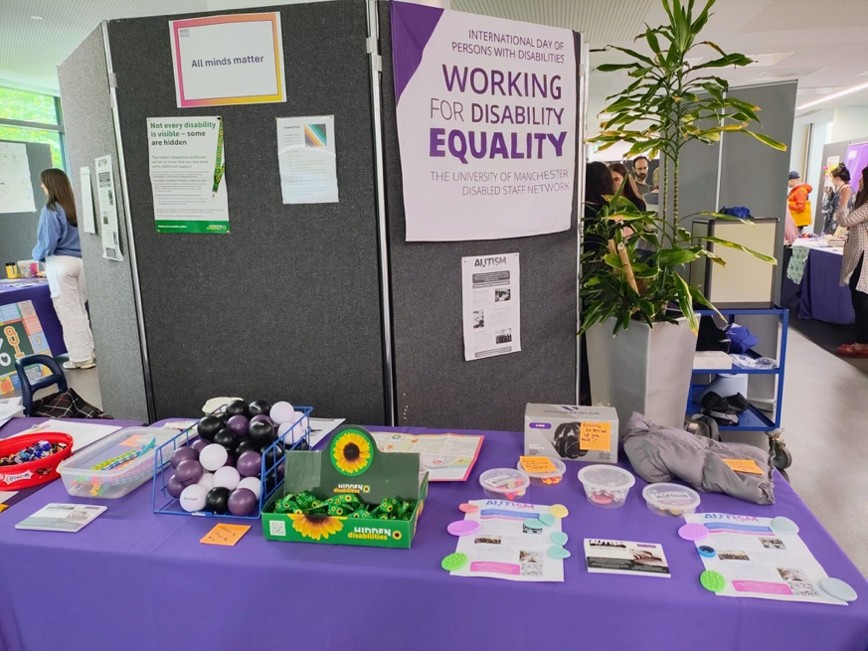
Image 1: the Stand at Universally Manchester
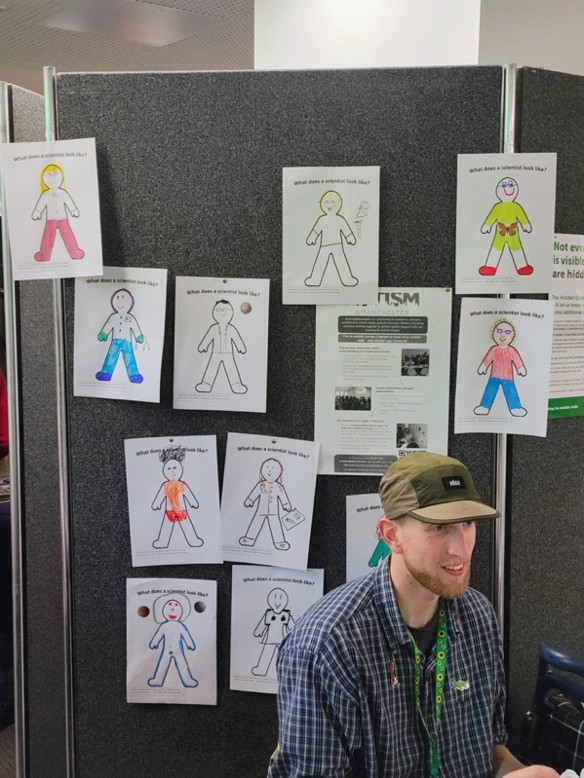
Image 2 – displays the children’s representations of ‘what does a researcher look like to you?’
Together, these events demonstrated that Disability Pride is about far more than celebration. It is about creating spaces where disabled voices are heard, creativity is valued, assumptions are challenged, and communities come together to imagine a more inclusive future. From dance and photography to conversations about research, this year’s programme celebrated disability with joy, pride, and purpose—reinforcing the University of Manchester’s commitment to building a more inclusive and representative community.
By Freddie Jones, Heather Cockayne and Ro Procter (Co-Chairs of the Disabled Staff Network)
Related
Contact Us
+44 (0) 161 306 6000


0 Comments