
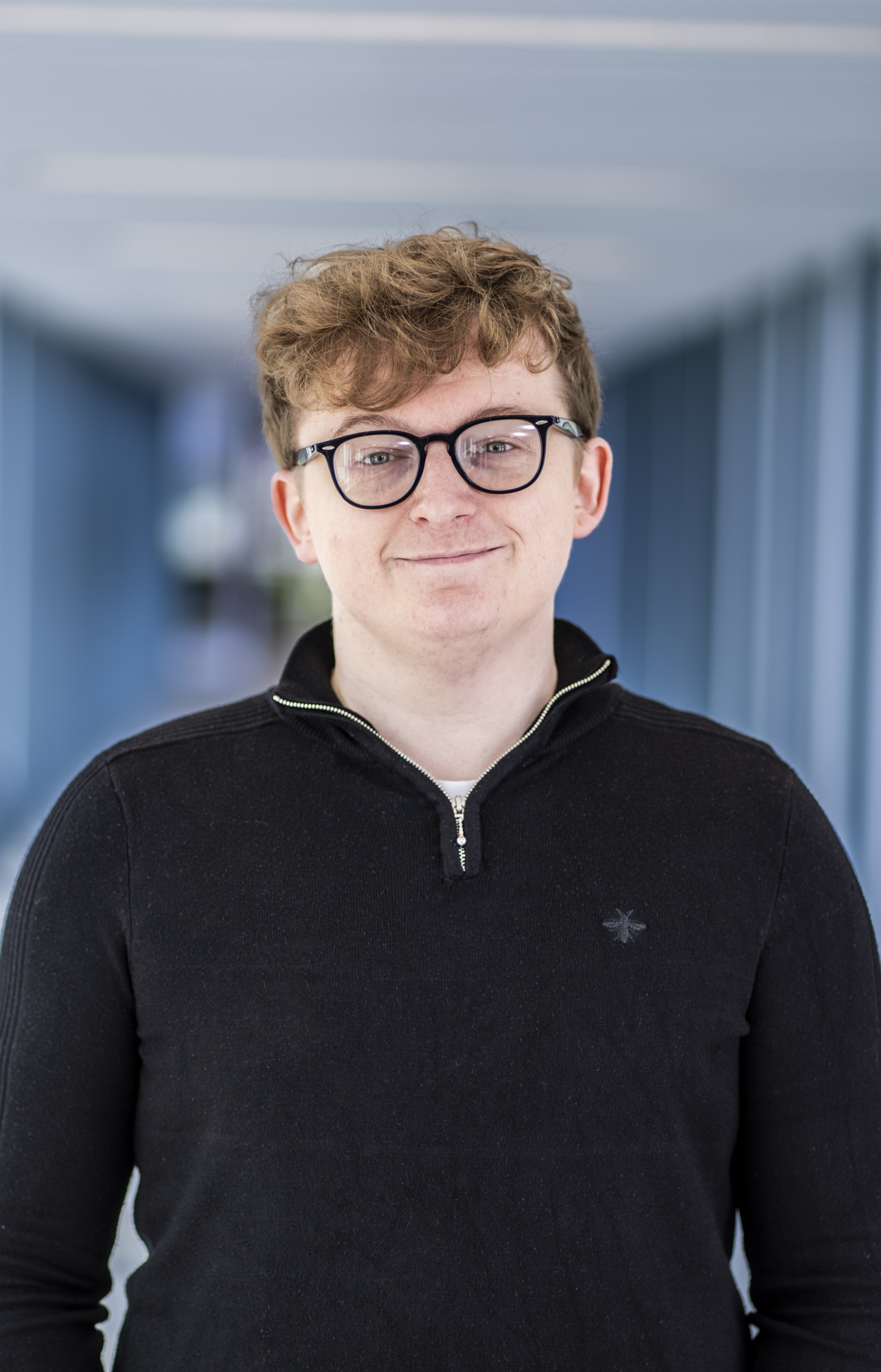
Luke Nield: Reflecting on Inclusive Leadership, Following UoM LGBTQ+ and EDIA Training
Over the past year, I’ve had the opportunity to take part in two development programmes at the University: the LGBTQ+ Leadership Programme, delivered with On the Level, and the EDIA Champions Training, led by Be What You See Consultancy. Both have genuinely transformed how I think about leadership, allyship, and inclusion in everyday practice.
Why do the training in the first place?
I initially joined these programmes after reflecting on how much I had masked parts of myself in professional settings without even realising it. Masking comes in a variety of ways, like constantly assessing whether a space feels “safe,” hesitating before mentioning a partner, or editing LGBTQ+ affiliations from a CV. Another reason, is that whilst many assume the UK is a leading country for LGBTQ+ equality, it currently ranks 22nd in Europe on the ILGA-Europe Rainbow Map, and below the EU average – (ILGA rankings are based on rights/protections, lived equality, hate crime/speech, etc.)
It’s a reminder that progress is never guaranteed, and that leadership within our own institutions matters.
LGBTQ+ Leadership Programme
The LGBTQ+ Leadership Programme consisted of four modules, facilitated entirely by queer leaders and specialists. We explored barriers LGBTQ+ people continue to face in professional environments and how these experiences shape confidence, identity, and leadership styles. One moment we were unpacking systemic challenges; the next we were doing vocal coaching! The programme was supportive, empowering, and grounded in lived experience.
One of the most valuable outcomes was the network it created of colleagues from across the institution, spanning different roles/grades. We still collaborate and support one another to this day.
EDIA Champions Training
Following this, I completed EDIA Champions Training, which covered LGBTQ+ inclusion, anti-racism, neurodiversity, microaggressions, and active bystander principles. A strong focus throughout was intersectionality: recognising that everyone is completely individual, and barriers can overlap and compound for those with multiple marginalised identities. Each topic also included a “train the trainer” element, helping us bring these conversations back into our teams and workplaces.
These programmes have fundamentally changed how I approach my work and interactions with others. These learnings continue to shape my contributions within the RBE EDI Working Group, identifying and challenging assumptions, and celebrating the diversity and strengths within our community.
Inclusion is absolutely built through everyday actions and tough conversations with yourself and others. Some useful questions we can ask in your workplace today could be:
- Who might feel excluded by the way this process or environment is designed? i.e. Would this space work for someone with low vision? Is this environment sensory friendly? Who might this process unintentionally exclude?
- Do we understand all the ways we can be an active bystander? Standing up boldly and challenging in the moment isn’t the only option.
- What small actions could we take today to make colleagues feel more welcomed, valued, and safe?
- How do we ensure allyship moves beyond good intentions into action?
- How can we reduce affinity bias in recruitment and decision-making?
Equality Impact Assessments (EIAs) and Inclusive Events
Access guidance, templates, resources, and support for Equality Impact Assessments (EIAs), including information on when an EIA is required, completion guidance, approval processes, and research-specific templates. The page also includes resources for Inclusive Events Assessments, AI-assisted support tools, and links to EDI guidance to help ensure projects, policies, and activities consider equality, diversity and inclusion from the outset – EIA Assessments
By:
Luke Nield (He/Him), Knowledge Exchange Project Officer – Reearch and Business Exchange Directorate
Contact Us
+44 (0) 161 306 6000


0 Comments