
April 26 marks Lesbian Visibility Day and is the culmination of Lesbian Visibility Week. This is an important moment, marked in the calendar to recognise, celebrate, and uplift lesbian identities, experiences, and contributions.
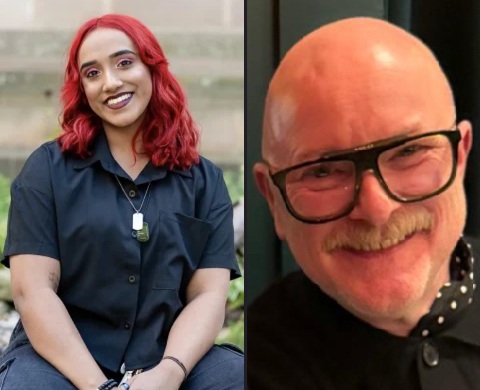
April 26 marks Lesbian Visibility Day and is the culmination of Lesbian Visibility Week. This is an important moment, marked in the calendar to recognise, celebrate, and uplift lesbian identities, experiences, and contributions.
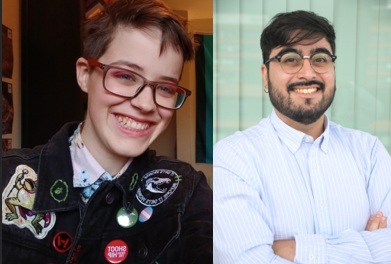
The LGBTQ+ Politics staff and students network recently visited the Re/Assemble exhibition at the People’s History Museum. As a group of undergraduate students, PhD students, and lecturers, we participated in a guided visit to a new exhibition that brings together historical banners from Manchester-based organisations, video and photographic archives, legal documents, and newly commissioned artworks.
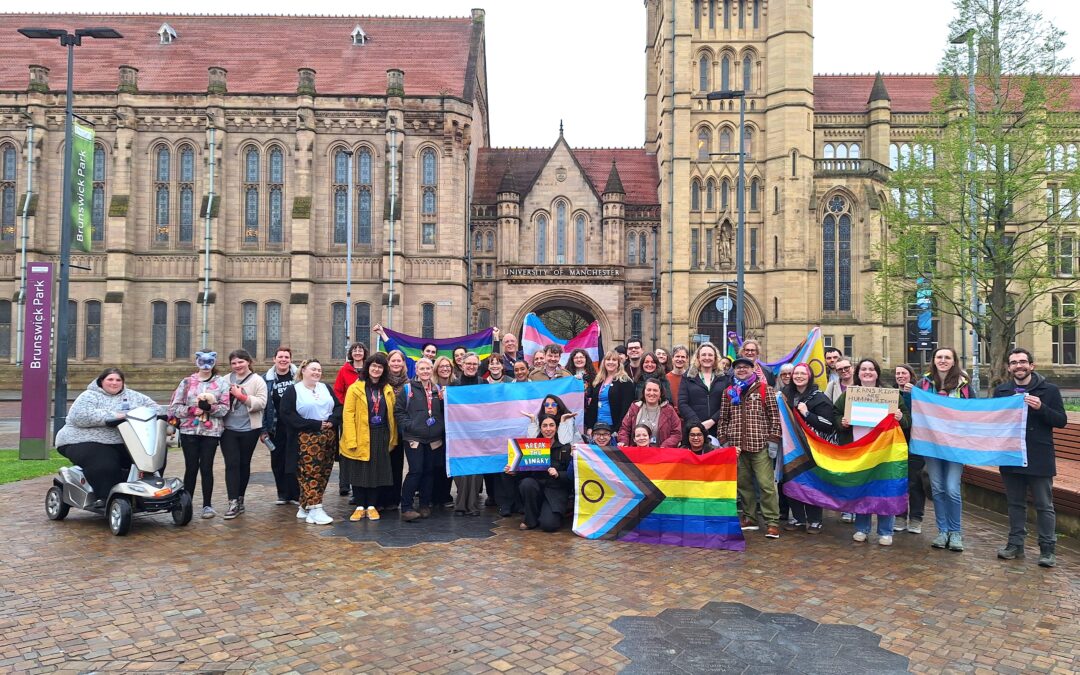
A Celebration and a Protest: On Trans Day of Visibility, we would like to say, that trans and non-binary people are here. We will always be here. We will overcome this period of hostility and discrimination. Seeing our allies standing up and showing their support for us lends strength to the community.
The Importance of Allyship and Advocacy: Being an ally comes down to empathy and fairness. I believe people deserve the right to define themselves and live authentically without fear. For many, in the UK and across the world, this is not their reality.

The LGBTQ+ community is, by its very nature, a highly diverse community and it is important that we recognise diversity within diverse communities through intersectionality.
Research over the past decade has increasingly shown a statistically significant overlap and complex intersection between autism and LGBTQ+ identities.
Being an ally comes down to empathy and fairness. I believe people deserve the right to define themselves and live authentically without fear. For many, in the UK and across the world, this is not their reality.
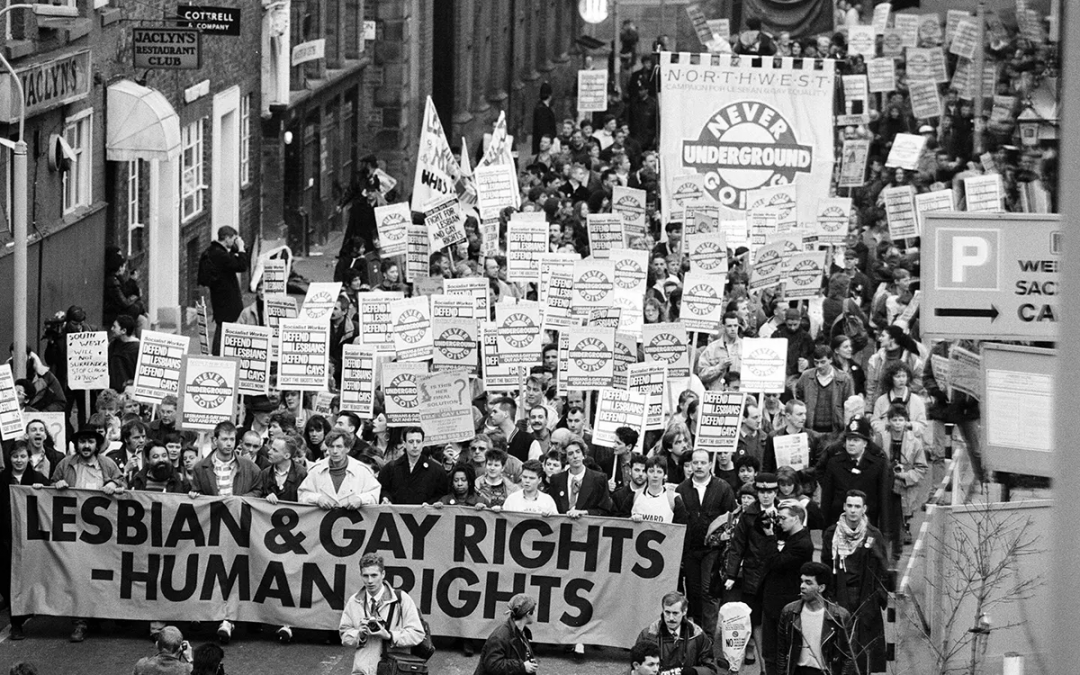
Manchester is a city well-known for being at the forefront of the struggle for equality in the United Kingdom. Examples in history that may come to mind include the brave people who campaigned for political representation in 1819, resulting in the Peterloo Massacre and the female suffrage movement, notably the suffragettes led by Manchester’s Pankhurst family. For LGBT+ History Month, we should pause to consider another example of Manchester-based activism. The Section 28 Demonstration that took place on 20 February 1988.

When I first came to Manchester four years ago, it felt (pardon the cliché) different to any other place I had lived. On this day of non-binary visibility, I am reminded that we have so many allies. Along with Manchester’s trans and gender non-conforming community, they are the ones who make this city, and this university, feel like home for me.

IDAHOBLIT (International Day Against Homophobia, Biphobia, Lesbophobia, Intersexphobia and Transphobia or International Day Against LGBTQIA+ Discrimination), is a key date in the EDI calendar, marking the start of summer celebrations of LGBTQ+ acceptance and inclusion and prompting reflections on how far we have yet to go.
From drag nuns, hilarious placards, handbag throwing (literally) and mass demonstration, Manchester’s queer community has always made its mark in a wholly unique way. This year’s theme is Activism and Social Change.
As part of my L5 CIPD HR apprenticeship, I was tasked with developing and implementing a people strategy with a focus on celebrating equality and diversity. With little scope to do so within my own role, I reached out to the EDI directorate to see if there were any upcoming projects I could get involved with. The response and support I received was brilliant and reflects how collaborative UoM colleagues are.
+44 (0) 161 306 6000


Recent Comments