
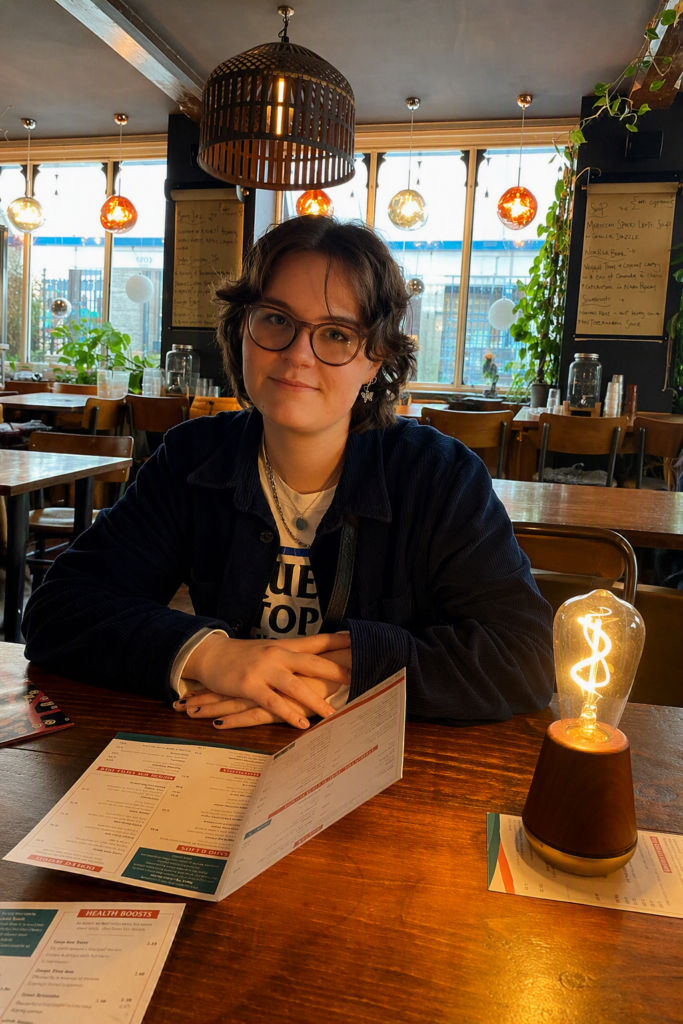
Chris Ward: International Non-Binary People’s Day – The Power of Being Seen
International Non-Binary People’s Day coincides beautifully with my start at a new job – working in the EDI Directorate at The University of Manchester. In the two weeks I have been here, I have had a lot of time to reflect on the profound value of working within an environment that allows you to be yourself fully, without compromise.
I want to take this opportunity to unpack what it means to navigate the workplace as a non-binary person and, hopefully, offer some insight into one version of the non-binary experience.
I have spent the last several years wondering whether to disclose my non-binary identity on job applications, often asking myself questions like:
“What if they think using they/them pronouns will be too much hassle?”
“What if they can’t be bothered using my preferred name?”
“What if they don’t take me seriously once they know this is how I identify?”
At the core of all of those questions was the same fear: that my identity would be seen as an obstacle, a complication or a burden to others.
People sometimes treat the request to use they/them pronouns as though it is a test they are destined to fail. You can hear it in conversations: “Well maybe THEY could do the presentation” – the emphasis placed squarely on the pronoun, accompanied by a pointed look. What might be intended as a show of inclusivity can instead make somebody feel singled out, as though their identity has suddenly become the most notable thing about them. It can be reminiscent of the tone men once used in corporate spaces, fresh from hiring their first female employee – “He… or SHE”
Not only is this alienating, but it is exhausting. When every interaction feels like it might become a conversation about your identity, it can be easier to stay quiet than risk becoming the centre of attention. For a long time, that was my approach. I worried that being open about who I am would distract from my work and that my identity would become something colleagues felt obligated to accommodate rather than simply respect.
That is why joining the EDI Directorate has been such a positive experience. Although I hoped that a team dedicated to Equality, Diversity and Inclusion would be supportive, I still arrived carrying those old anxieties with me. They quickly faded.
My colleagues understood my identity without turning it into a spectacle. There were no invasive questions, no awkward conversations and no sense that I needed to explain or justify myself. Instead, I was welcomed in the way every new colleague hopes to be welcomed: with warmth, respect and genuine interest in who I am as a person.
What has struck me most is not perfection, but intention. Nobody gets everything right all of the time, and from my perspective, that is completely okay. A brief correction and moving on is more than enough. What matters is the effort. I have confidence that even if any of my colleagues were to misgender me, it would never be out of malice.
I understand that adapting to new language can take time. Even people within the LGBTQ+ community can occasionally stumble over a new name or pronouns while adjusting. Ultimately, we are all human beings with habits, and none of us are infallible.
My experience over the last two weeks has reminded me that inclusion is rarely about getting everything right all of the time. Instead, it is about creating an environment where people feel respected enough to bring their whole selves to work.
What may feel like a small act to one person can mean a great deal to someone else. A colleague using the correct pronouns, introducing me by my chosen name, or simply treating my identity as an ordinary part of who I am may not seem remarkable. Yet those moments communicate something powerful: that I am welcome here as myself.
That is why the effort matters.
While adapting to new language may require thought and practice, the impact of that effort can be profound. For many non-binary and trans people, knowing that colleagues are willing to make that adjustment fosters a sense of dignity, belonging and psychological safety. It allows people to focus less on managing how they are perceived and more on contributing confidently and authentically.
Research consistently shows that employees are more likely to feel engaged, perform well and remain in organisations where they feel respected and valued. From my own experience, I can certainly understand why. When you are free to focus on your work instead of wondering how your identity will be received, it becomes much easier to thrive.
So, to our allies on this International Non-Binary People’s Day: thank you. Thank you for your effort, your willingness to learn and your commitment to creating environments where people can feel seen and respected. I can assure you that those efforts rarely go unnoticed.
And to those who may still feel uncertain or hesitant, I would encourage you to remember that the choices we make in everyday interactions have a real impact on the people around us. Small acts of inclusion can shape somebody’s experience of their workplace far more than we realise.
Lastly, to the EDI team, and to the wonderful colleagues I have met across the University over these last two weeks, thank you for seeing me — and people like me — for who we are, and for creating an environment where we can embrace ourselves fully and without compromise.
Happy International Non-Binary People’s Day!
By Chris Ward, – Equality, Diversity & Inclusion Administrator


Contact Us
+44 (0) 161 306 6000


0 Comments